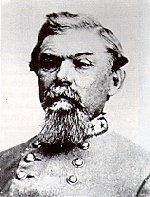
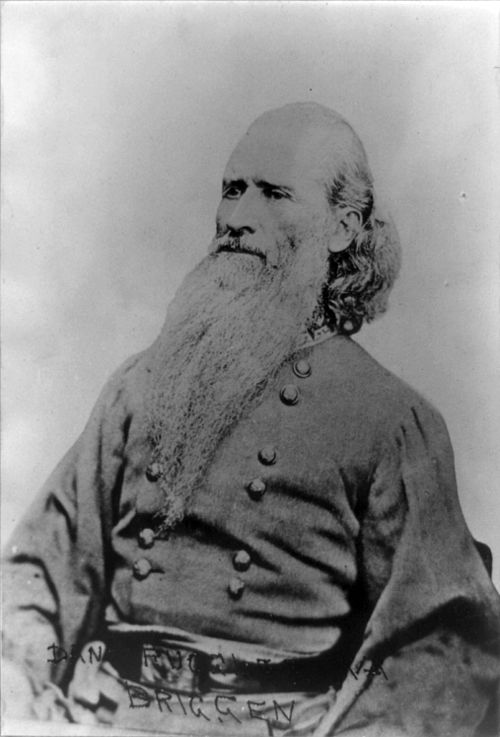
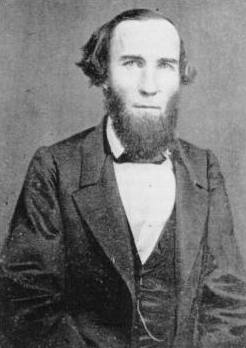
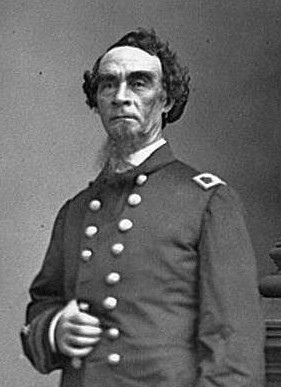
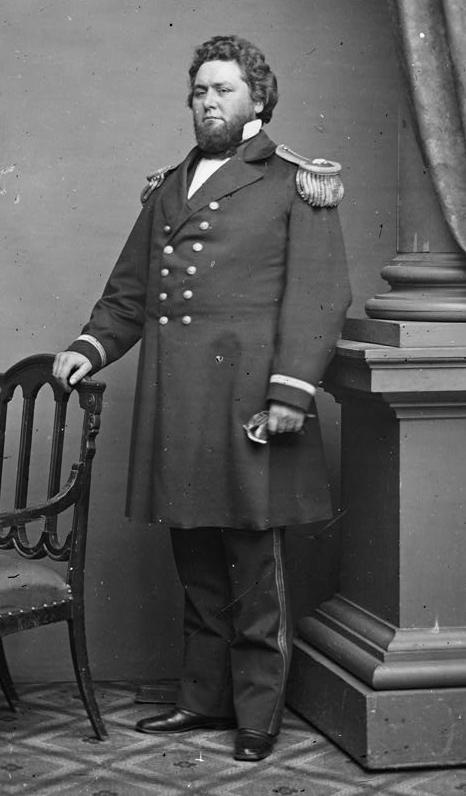
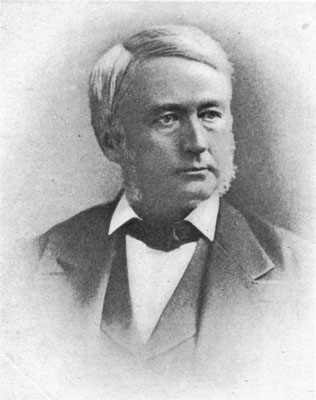
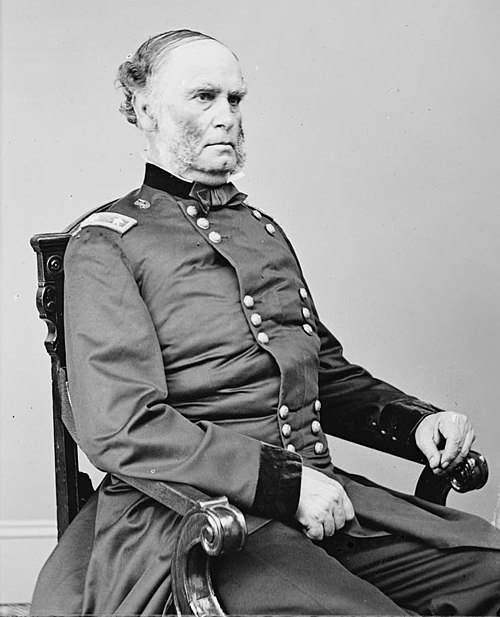
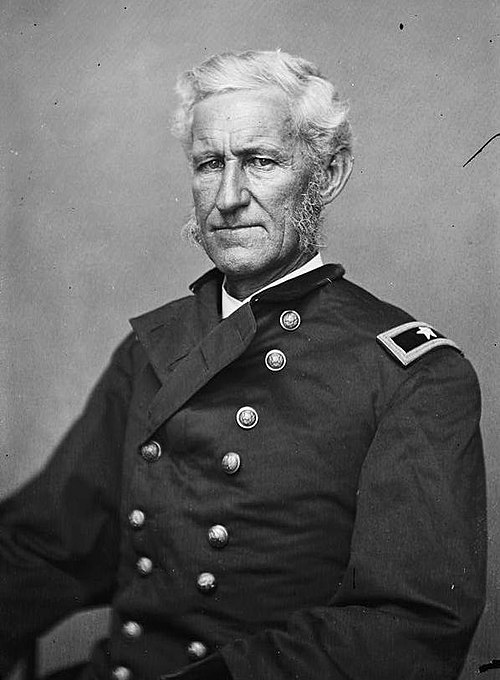
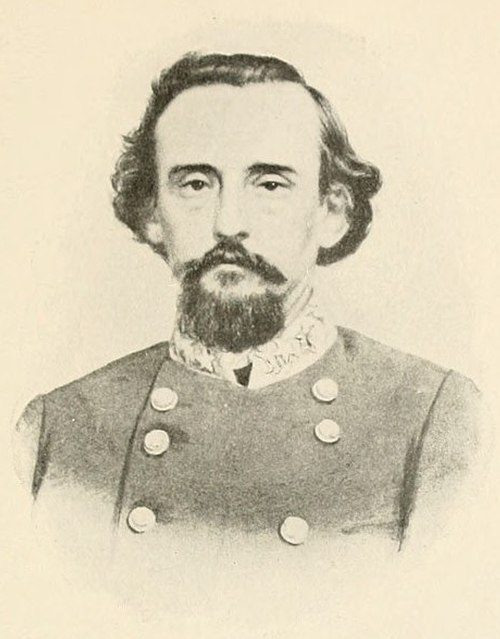
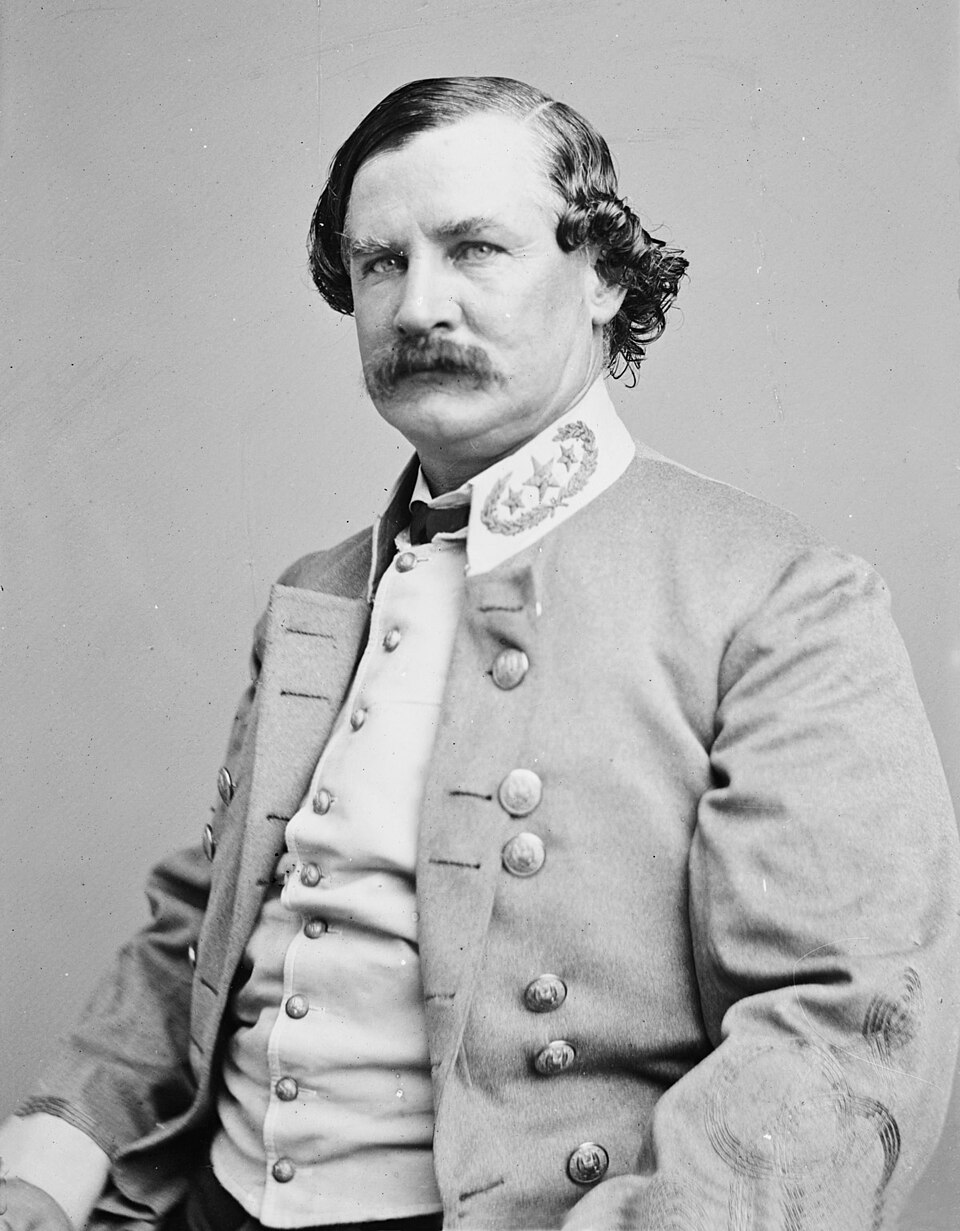
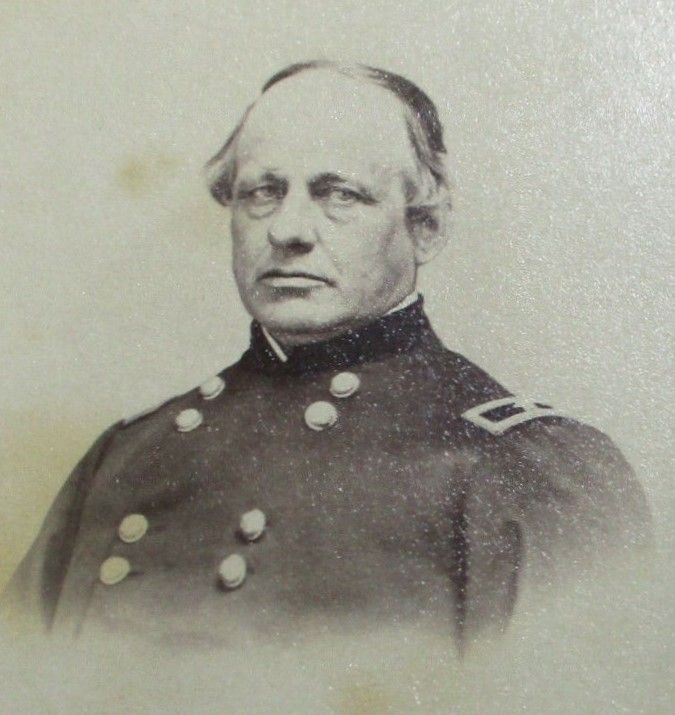
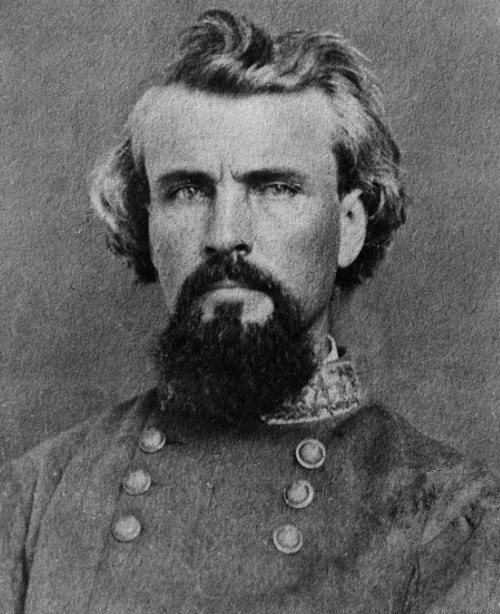
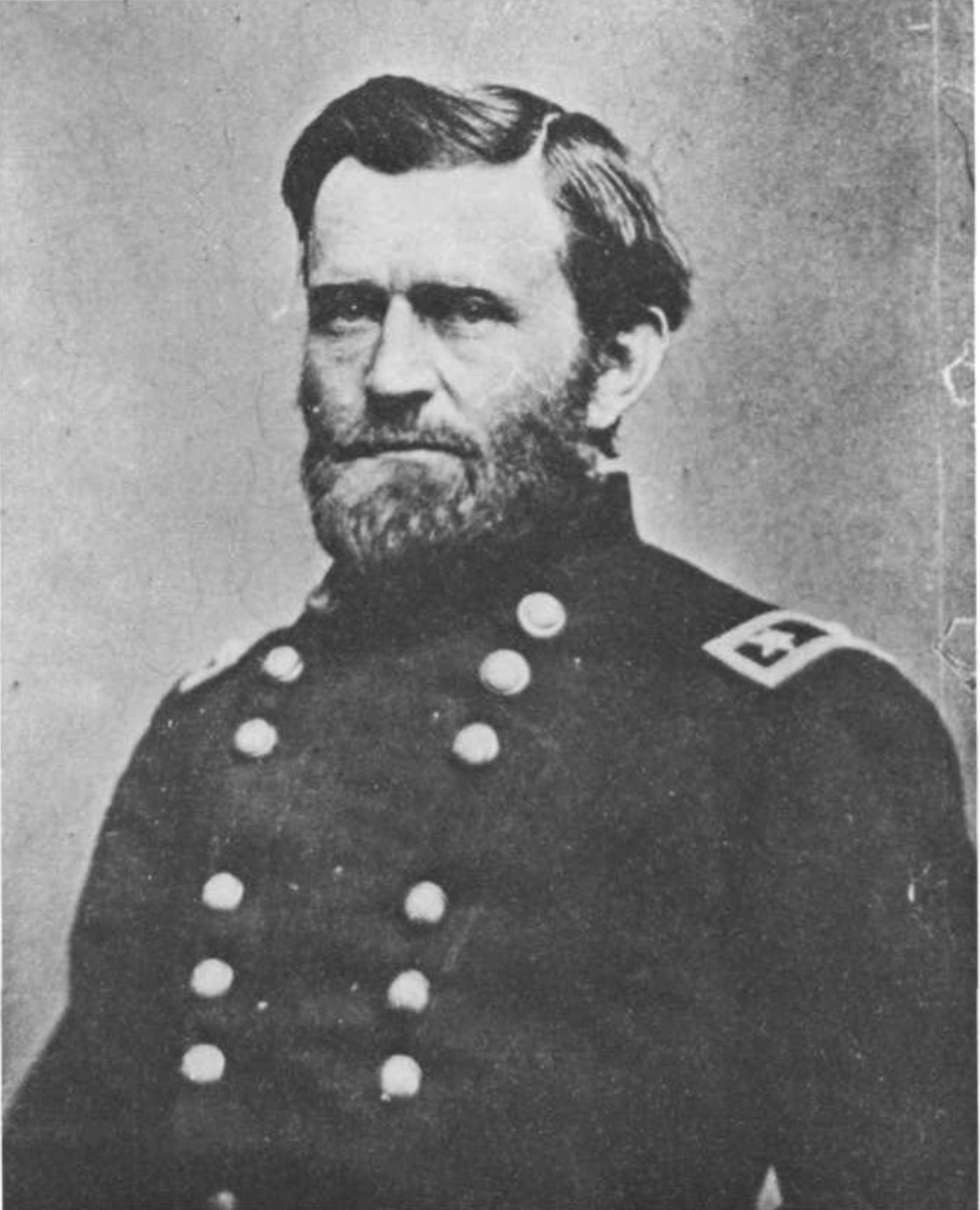
 |
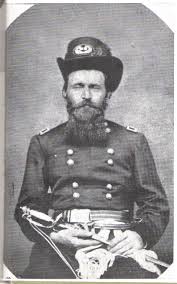
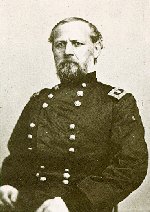
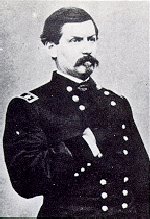
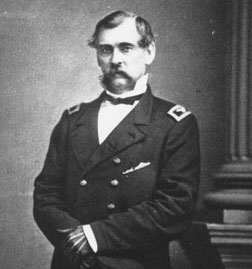
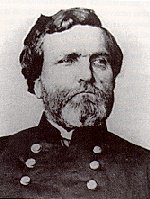
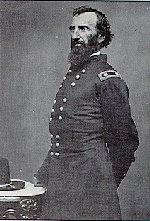
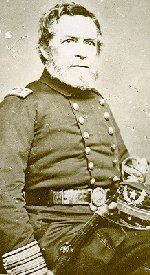
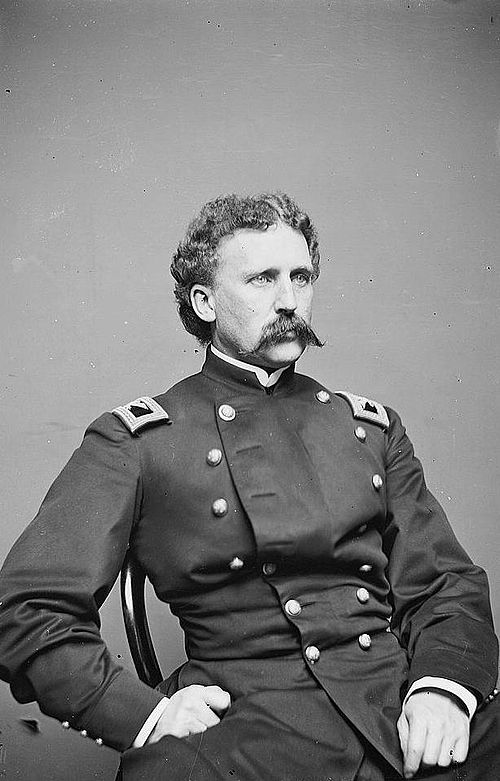
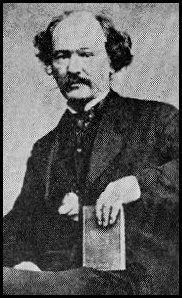
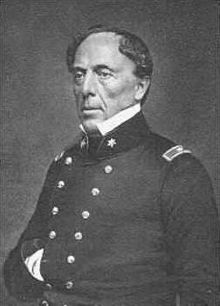
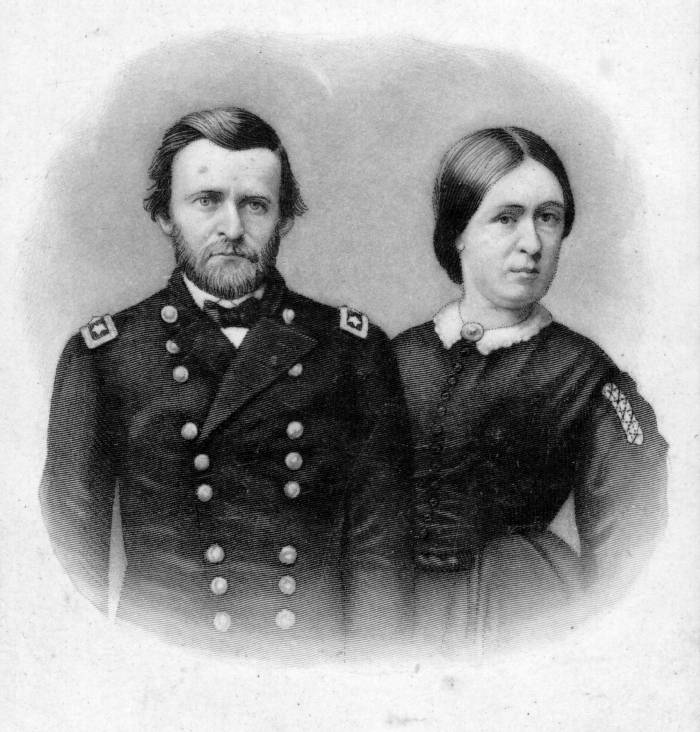
| Brig. Gen. U.S.
Grant |
Chronology of the Fort Henry-Fort Donelson-Shiloh Campaign
by
James F. Epperson
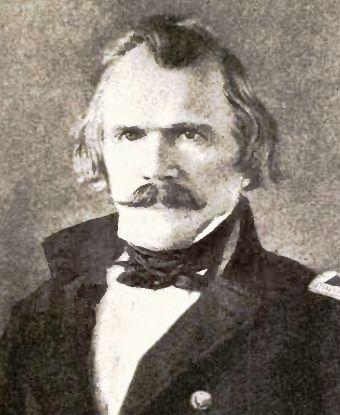 |
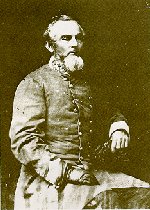
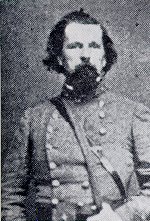
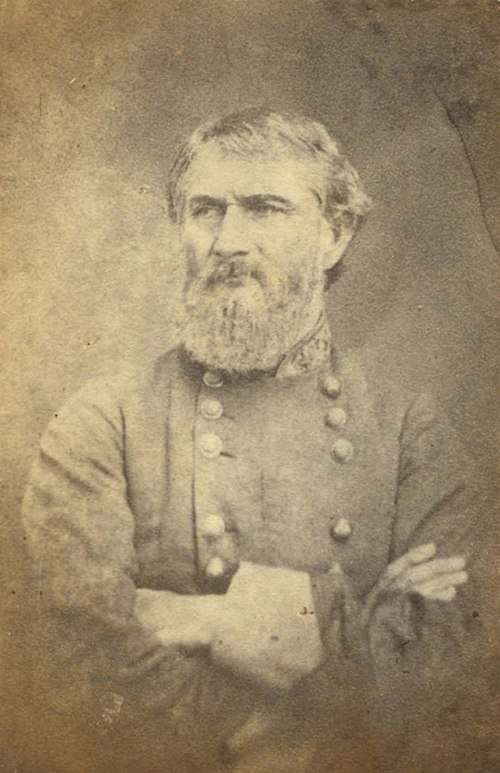
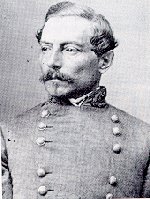
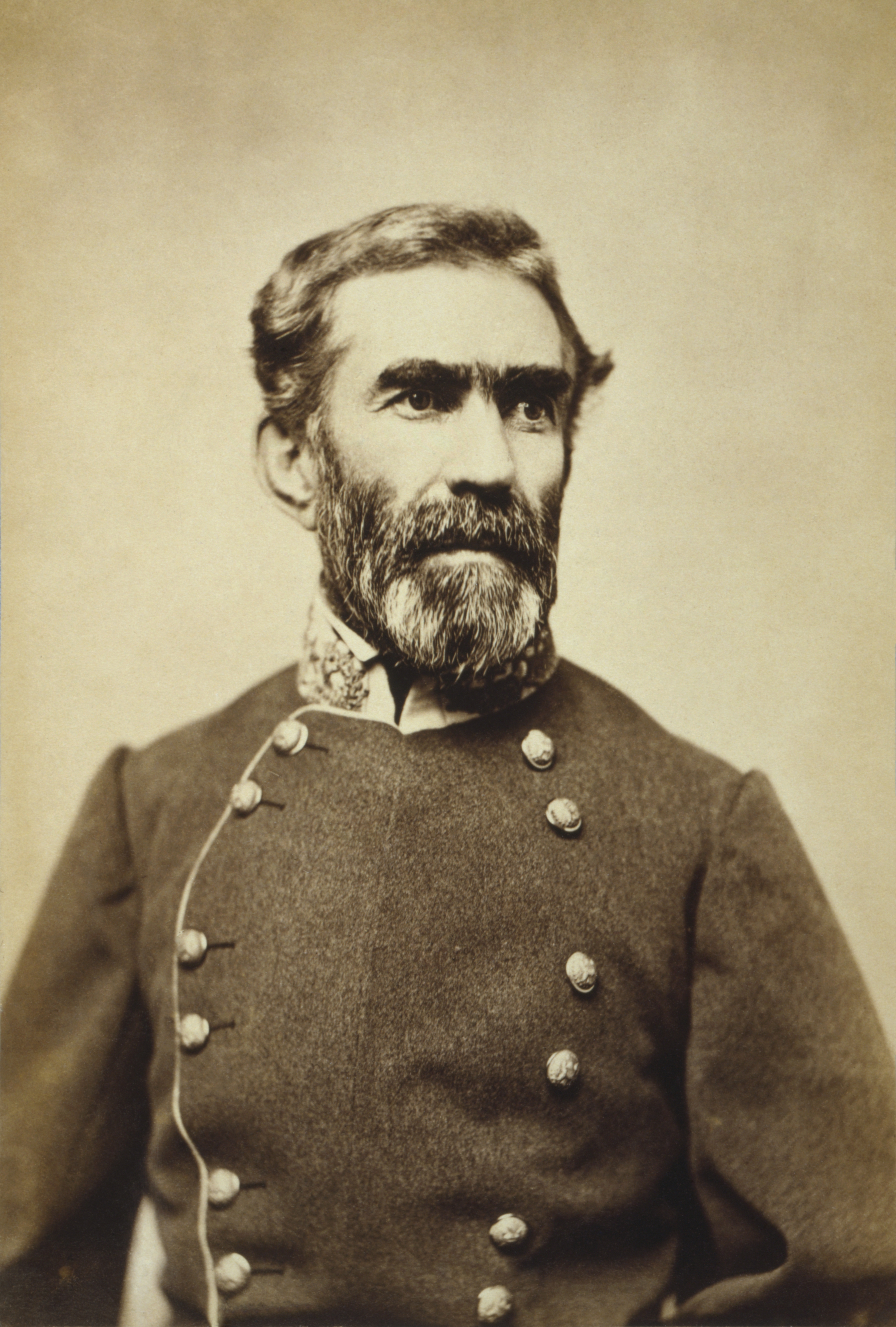
| Gen. A.S. Johnston |
|
Chronology of the Fort Henry-Fort Donelson-Shiloh CampaignbyJames F. Epperson |
|
| Major
update
(Spring,
2025): Several new sources were added; some errors/typos were
corrected. Most of the bibliography links now go to Bookshop.org
listings.
When those are not available, others are used. For the public
materials (Official Records and Grant Papers), the links go to online
sources. I should acknowledge that after this update was first announced (on Sept. 2, 2025) a couple of interesting points were raised by Mr. William Markey in an online discussion, as a result of which I added the Nov. 7, 1861 entry on the Battle of Belmont, and a handful of scattered comments about the difficulties Flag Officer Foote had getting enough men to crew the new ironclads. Feedback is always welcome. Further updates were added after December, 2025, as a result of some online discussions concerning Anna Ella Carroll's alleged role in this campaign. Entries on the occupation of Columbus, Kentucky (by Confederate Lt. Gen. Leonidas Polk) and U.S. Grant's subsequent occupation of Paducah, were added, along with further documentation and an essay by the Publisher regarding Miss Carroll's claims. |
| Date(s): |
Events: |
|||||||||||||||
| Sept. 3--4, 1861 | Confederate
Maj. Gen. Leonidas Polk invades Kentucky, occupying Columbus and
Hickman. The former will be fortified heavily and become known as
the "Gibralter of the Mississippi. [1, p. 48; 2, pp. 52--55; 3, pp. 11--12; 4, p. ??; 5, pp. 5--6; 7, p. 10; Official Records, Vol. IV, pp. 179--195.] |
|||||||||||||||
| Sept. 6, 1861 | In
response to Polk's move, United States Brig. Gen. Ulysses Grant
occupies Paducah, Kentucky, where the Tennessee River empties into the
Ohio. [1, pp. 48--49; 3, p. 14--16; 4, p. ??; 5, p. 6; 7, p. 11; Official Records, Vol. IV, p. 196; The Papers of Ulysses S. Grant, Vol. 2 (1969), pp. xxxii, 190--98.] |
|
||||||||||||||
| Sept. 10, 1861 |
Confederate
General Albert Sidney Johnston is appointed to the command of
Department No. 2, encompassing the "States of Tennessee and Arkansas
and that part of the State of Mississippi west of the New Orleans,
Jackson and Great Northern and Central Railroad; also, the military
operations in Kentucky, Missouri, Kansas, and the Indian country
immediately west of Missouri and Arkansas." [7, pp. 11--12; 9, pp. 46--53; The Official Records, Vol. IV, p.
405.]
|
|
||||||||||||||
| Oct. 12, 1861 | Lt.
Seth Ledyard Phelps, commanding the timberclad U.S.S. Conestoga, ascends the Tennessee
River to observe Fort Henry. [7, p.
32; The Official Records, Navy,
Vol. XXII, p. 371.] |
|
||||||||||||||
| Nov. 7, 1861 | Battle of Belmont: While Brig. Gen. C.F. Smith demonstrates toward Columbus, Kentucky from Paducah, Kentucky, Brig. Gen. U.S. Grant leads two brigades in an attack on a single Confederate brigade at Belmont, Missouri, directly across the Mississippi from the Rebel stronghold at Columbus. After routing the enemy, Grant briefly loses control of his men, and the Confederates land fresh troops from across the river and try to cut the Federals off from their transports. Grant is able to fight his way through to the river and get away, having defeated the enemy in a stand-up fight. Grant lost 607 men, total, out of a force of 3,114; The Confederates lost 641 men out of a total force estimated at 5,000.
Grant probably exceeded his orders (which were to demonstrate, not
attack), but his officers and men gained valuable experience. [1, pp. 70--83; 2, pp. 103--104; 3, pp. 18--19; 7, pp. 40--41; 9, pp. 65, 67, 69; the Official Records cover Belmont in Vol. III (pp. 266--364), and there are a couple of articles in Battles and Leaders, Vol. I (pp. 338--367); the only book-length treatment which the Publisher knows of is: Nathaniel Cheairs Hughes, Jr., The Battle of Belmont---Grant Strikes South, UNC Press, 1991.] |
|
||||||||||||||
| Nov. 9, 1861 |
Major
General Henry W. Halleck is assigned to the command of the Department
of the Missouri, consisting of the "States of Missouri, Iowa,
Minnesota, Wisconsin, Illinois, Arkansas, and that portion of Kentucky
west of the Cumberland River." [7, p. 26; The Official Records, Vol. III,
pp. 568--69.]
|
|
||||||||||||||
| Nov. 13, 1861 |
HEADQUARTERS
OF THE ARMY,
Washington, November 13, 1861. SPECIAL
ORDERS, No. 305
3. Brig. Gen. W. T. Sherman, on being
relieved from his
present command by Brig. Gen. D.C. Buell, will repair to Saint Louis,
Mo., and
report to Maj. Gen. H. W. Halleck, for duty in the Department of the
Missouri. By command of Major-General McClellan:
L. THOMAS, Adjutant-General.
[The Official Records, Vol. III, p.
570.] |
|
||||||||||||||
| Nov. 15, 1861 | Brig. Gen. Don Carlos Buell assumes command of the Department of the Ohio, replacing Brig. Gen. William T. Sherman. [The Official Records, Vol. IV, p. 358.] |
|
||||||||||||||
| Nov. 20, 1861 | Confederate
Engineering Lt. Joseph Dixon is ordered to begin work on what would
become Fort Heiman, across the river from Fort Henry and on much higher
ground. [7, p. 19; 11, p. 699.] Col. Charles Whittlesey, serving as an Engineering Officer in Cincinnati, writes to Halleck about using the Tennessee and Cumberland Rivers as avenues of invasion into the Confederacy. [11, p. 440.] |
|
||||||||||||||
| Nov. 30, 1861 | Anna
Ella Carroll meets with Assistant Secretary of War Thomas Scott,
regarding the use of the Tennessee River as a preferred avenue of
invasion of the Confederacy, over the Mississippi.
[Kenneth P. Williams, "The Tennessee River Campaign and Anna Ella Carroll," Indiana Magazine of History , Vol. 46, No. 3 (September 1950), pp. 222. For an essay regarding Miss Carroll's claim to have
authored the use of the Tennessee and Cumberland Rivers as an avenue of
advance see here.] |
|
||||||||||||||
| Dec. 11, 1861 | Confederate
Brig. Gen. Gideon Pillow writes to Johnston's adjutant: COLUMBUS,
December 11, 1861.
Col.
W. W. MACKALL: General
Polk has assumed command, but under your instructions to give you
information of the movements of the enemy I feel it my duty to say that
my opinion is that the enemy are preparing to move up the Tennessee
River in force. I think they will simply make a demonstration against
this position to hold the force here. Will use their large water power
to capture Fort Henry and pass up and take possession of Tennessee
bridge and separate your command and General Polk's, and will then
advance down that railroad on Memphis.
For
a week their fortresses have been sealed, and their boats are running
up the Ohio in the night-time alone. I may be wrong in my views, but
such is my opinion of their purpose.
GID. J. PILLOW. [7, p. 21; 11, p. 758.] |
|
||||||||||||||
| Dec. 23, 1861 |
Brig.
Gen. U.S. Grant's command is expanded; it now includes the southern
part of Illinois, that part of Kentucky west of the Cumberland River,
and the southern counties of Missouri south of Cape Girardeau, and is
now known as the District of Cairo. [7, p. 38; 11, p. 515.]
|
|
||||||||||||||
| Dec. 28, 1861 |
Confederate
Brig. Gen. Lloyd Tilghman, in command of both Fort Henry and Fort
Donelson, writes to President Jefferson Davis:
HEADQUARTERS,
Fort Donelson December 28, 1861. His Excellency President DAVIS, Richmond, Va.: SIR:
This will be handed you by Colonel Bailey, of one of the Tennessee
regiments stationed at this post. The exposed position of this command
and the impossibility of obtaining arms here has induced us both to
make an effort to secure them at Richmond. Knowing the difficulties we
all labor under on this score, permit me simply to state that I feel
deeply solicitous about our condition on the Tennessee and Cumberland,
and believe that no one point in the Southern Confederacy needs more
the aid of the Government than [these] points. Colonel Bailey will be
presented to you under such auspices as will, I am sure, command for
him your especial consideration.
With
every assurance of the highest consideration, and the hope that a
complete restoration to health will enable you to meet the heavy
demands on your time, I remain, respectfully, your obedient servant,
LLOYD TILGHMAN, Brigadier
General, C. S. Army,
Commanding
Defenses Cumberland and Tennessee Rivers.
[9, p. 77; 11, pp. 245--46] |
|
||||||||||||||
| Dec. 31, 1861 | President
Lincoln writes similar letters to Gens. Halleck and Buell. The
one to Halleck is below. [7, p. 44;
11, p. 524] WASHINGTON,
D.C., December 31, 1861.
General
HALLECK, Saint Louis, Mo.:
General McClellan is sick. Are General Buell and yourself in concert?
When he moves on Bowling Green, what hinders it being re-enforced from
Columbus? A simultaneous movement by you on Columbus might prevent it.
A. LINCOLN. |
|
||||||||||||||
| Dec. 1861--Jan. 1862 | Several Federal officers (Col. Charles Whittlesey, Halleck, Grant, Buell, McClellan, G.W. Cullum, Sherman, Foote, others, including some civilians) identify Forts Henry and Donelson as key and vulnerable points in the Confederate line defending Tennessee and Southern Kentucky. Numerous reconnaissances by gunboats are made of both positions. (Whittlesey's Nov. 20, 1861 letter to Halleck (see above) appears to be the first documented suggestion to use the Tennessee River as an invasion avenue.) [3, pp. 65-67; 4, p. 12; 5, pp. 23-25; 7, pp. 51--54; 10, pp. 3--4; 11, p. 440; for claims that Anna Ella Carroll was the first to suggest this line of advance, see the essay associated with her Nov. 30 meeting with Assistant Secretary of War Scott.] |
|
||||||||||||||
| Jan. 2, 1862 | Brig.
Gen. Tilghman writes to Maj. Gen. Polk that he still has two thousand
unarmed men at Forts Henry and Donelson. [7, pp. 44--45; 11, pp. 817--18] |
|||||||||||||||
| Jan. 3, 1862 |
HEADQUARTERS
OF THE ARMY,
Washington,
January 3, 1862.
Maj. Gen. H. W. HALLECK, Commanding Department of Missouri: GENERAL:
It is of the greatest importance that the rebel troops in Western
Kentucky be prevented from moving to the support of the force in front
of General Buell. To accomplish this an expedition should be sent up
the Cumberland River, to act in concert with General Buell's command,
of sufficient strength to defeat any force that may be brought
against it. The gunboats should be supported by at
least one and perhaps two divisions of your best infantry, taken from
Paducah and other points from which they can best be spared. At the
same time such a demonstration should be made on Columbus as will
prevent the removal of any troops from that place; and, if a sufficient
number have already been withdrawn, the place should be taken. It may
be well also to make a feint on the Tennessee River, with a command
sufficient to prevent disaster under any circumstances.
As
our success in Kentucky depends in a great measure on our preventing
re-enforcements from joining Buckner and Johnston, not a moment's time
should be lost in preparing these expeditions.
I
desire that you give me at once your views in full as to the best
method of accomplishing our object, at the same time stating the nature
and strength of the force that you can use for the purpose and the time
necessary to prepare.
Very respectfully, GEO. B. McCLELLAN, Major-General,
Commanding.
[11, pp. 527--28] |
|
||||||||||||||
| Jan. 6, 1862 | Lt. Phelps again ascends the Tennessee River in the U.S.S. Conestoga, to observe Fort Henry. He reports that it is a "formidable" work. [7, p. 49; The Official Records, Navy, Vol. XXII, p. 485.] |
|
||||||||||||||
| Jan. 8, 1862 | Confederate
General Albert Sidney Johnston writes to the Confederate Secretary of
War: HEADQUARTERS
WESTERN DEPARTMENT,
Bowling Green, Ky., January 8, 1862. (Received January 15, 1862.) Hon. J.P. BENJAMIN, Secretary of War: SIR:
The calls made upon the Government from every assailable point on
our frontier for additional force would make me hesitate to add to your
embarrassment by asking for re-enforcements, were the gravity of the
occasion less which urges me to press upon your attention the effort
about to be made by the Federal Government, with a large army
(estimated on reliable data at not less than 80,000), to invade the
Confederacy through Central Kentucky towards Tennessee. They have
justly comprehended that the seat of vitality of the Confederacy, if to
be reached at all, is by this route. It is now palpable that all the
resources of that Government will, if necessary, be employed to assure
success on this line. The line of the Barren affords the means of a
strong defense, but my force is not sufficient to enable me to avail
myself of it (23,000). I do not ask that my force shall be made equal
to that of the enemy, but, if possible, it should be raised to 50,000
men.
I
have hoped to be able to raise an adequate force by the aid of the
Governors of the several States of this department, but notwithstanding
zealous efforts on their part, thus far I have been able to draw to
this place only a force which, when compared in number to the enemy,
must be regarded as insufficient. There are three or four regiments
still to come forward from Tennessee, armed with arms collected from
the people, and some others waiting for their arms. These men are
reaching us too late for instruction, and liable to measles, &c.
They are as likely to be an element of weakness as of strength.
If
the public service would permit, I beg leave to suggest that a few
regiments might be detached from the several armies in the field and
ordered here, to be replaced by new levies. No doubt the strongest
attack the enemy is capable of making will be made against this place,
and we ought not surely to put in jeopardy the result by failing to
meet it with a force sufficient to place success beyond hazard.
With great respect, your obedient servant. A. S. JOHNSTON, General,
C. S. Army.
[9, p. 77; Official Records, Series 1, Vol. LII, Part 2, pp. 824--25] |
|
||||||||||||||
| Jan. 10--22, 1862 | Demonstrations
toward Columbus, Mayfield, and Murray, Kentucky by
elements of Grant's command. Brig. Gen. C.F. Smith gets a good
look at Fort Henry, and concludes that "two iron-clad gunboats would
make short work" of it. [1, pp.
121-22; 3, p.
68; 7, pp. 55--60; 11, pp. 68--75] |
|
||||||||||||||
| Jan. 12, 1862 | Confederate
Maj. Gen. Leonidas Polk, commanding at Columbus, Kentucky, writes to
Gen. A.S. Johnston expressing concern about possible Federal attacks upon his position: HDQRS.
FIRST DIVISION, WESTERN DEPARTMENT,
Columbus,
Ky., January 12, 1862.
General A. SIDNEY JOHNSTON, Commanding Western Department, Bowling Green, Ky.: GENERAL:
I think it proper to say to you that the preparations of the enemy
which have been so long on foot for an attack on this place seem now to
have been completed, and I am advised of his purpose to make that
attack in the next three or four days.Of the character of his
preparations for an attack by water you will judge by the report of his
force contained in the accompanying slip, which I am advised is
reliable. I am also advised that he has concentrated' a large force at
and around Cairo for a land attack. This force is made up chiefly of
that which has been occupied with General Price in Missouri, and which,
since he has fallen back on Arkansas, they feel at liberty to withdraw.
This land force is estimated at 40,000. My information is that they
intend to move on New Madrid with one column, on Union City, via
Feliciana, with another, and on this place with a third; landing his
troops in Puntney's Bend, on this side the river. This information I
believe is reliable. As to the force at my disposal I have kept you
constantly advised. I have not failed to use every exertion practicable
to have it strengthened by calls upon the Governors of the States below
us and upon the General Government.
I
regret to say that these calls have not been responded to as I desired
or as the necessities of my position demanded; especially as it became
necessary to detach a portion of my force to aid you in your recent
emergency. As things now stand I have two regiments of infantry and two
companies of artillery posted in a well-constructed closed work at New
Madrid, mounting twelve guns. They are Arkansas troops. Thompson's men
have been disbanded and not yet re-enlisted. At Camp Beauregard I have
about 1,000 cavalry; at Union City three regiments of sixty-days men,
under General Alcorn. My own force at this place, you will see, amounts
to about 12,800 men ready for duty. You will see we require support. If
you could give it, it would be timely and acceptable.
Respectfully,
your obedient servant,L. POLK, Major-General,
Commanding.
[9, p. 78; 11,
p. 829] |
|
||||||||||||||
| Jan. 16, 1862 | The Federal ironclad gunboat fleet is completed and commissioned, but there are not enough men available to provide crews for the entire fleet. [3, p. 75; 7, pp. 47--49, 72.] |
|
||||||||||||||
| Jan. 17, 1862 |
The Federal demonstrations
in western Kentucky
prompt a flurry of Confederate
messages:
COLUMBUS,
KY., January 17, 1862.
Hon.
J.P. BENJAMIN: The
enemy has commenced his movement on Columbus. I require strong
re-enforcements. I will send the Third Mississippi forward so soon as
the relief you promised shall arrive.
L. POLK. FORT
HENRY, January 17, 1862--4 a.m.
Major
WILLIAMSON: We
have four gunboats, one transport, and I think one mortar boat just
below us. I am prepared for this much. Will report further.
LLOYD TILGHMAN, Brigadier-General.
FORT
HENRY, January 17, 1862--9.30 a.m.
Colonel WILLIAMSON: Three
of the gunboats have opened on us out of their own range. I have
not returned the fire, but proceed with my preparations. Men very cool.
TILGHMAN. [11, p. 835] |
|
||||||||||||||
| Jan. 19, 1862 | Battle of Mill Spring (Logan's Crossroads,
Fishing Creek); Virginia-born
Union Brigadier General George H. Thomas badly defeats a Confederate force blocking the way
into East Tennessee. The victory
essentially turns the Confederate right flank in the west.
[1, p. 122; 2, pp. 97--99; 3,
p. 73; 5, pp. 33--36; 6, pp. 29--30; 7, pp. 45, 62; 8, p. 6; 9, pp.
81--84; 10, pp. 59--61; 11, pp. 75--116.] As a result of the recent Federal demonstrations, Gen. Johnston writes to Richmond as follows. [7, p. 62; 11, p. 839] HEADQUARTERS
WESTERN DEPARTMENT,
Bowling
Green, January 19, 1862.
J.P.
BENJAMIN, Secretary of War, Richmond: SIR: On the 17th Fort Henry, on Tennessee, was attacked by three gunboats, accompanied by transports. They did not approach near enough for their shot to reach; our batteries, though ready, did not reply. They have certainly landed troops and wagons from their transports a few miles below the fort, on the west side of the river. Reports from Paris last night report a mixed column of 6,000 men 8 miles west of Murray, marching on Fort Henry, and a column of 2,000 marching on Murray from a point on the Tennessee north and east of Murray. A. S. JOHNSTON, General,
C. S. Army.
|
|
||||||||||||||
| Jan. 20, 1862 | In
response to recent Federal moves, Confederate General A. S. Johnston
shifts a substantial portion of his troops from near Bowling Green,
westwards (about 25 miles) to
Russellville. [9, p. 81; 11, pp.
840--41.] |
|||||||||||||||
| Jan. 26, 1862 | Confederate
General P.G.T. Beauregard is assigned by the Confederate War Department
to the western theatre. [2, pp.
127--30; 6, p. 23; 7, p. 63; 9, p. 89; 10, p.
64; The Official
Records, Vol. 5, p. 1048] Note: Nearly every secondary source used here mentions Beauregard's ill-health throughout this entire period. He is suffering from ill effects following minor throat surgery in Virginia. Throughout this period he has bouts of laryngitis, fever, and bronchial infections. [Larry Daniel's book is the only one with an index category for his health, so see: 5, pp. 47--48, 63--64, 67, 130, 228, 251, 316.] Johnston requests a number of heavy artillery batteries for the defense of Fort Henry, Clarksville, and Nashville. [9, p. 81; 11, p. 849] |
|
||||||||||||||
| Jan. 28, 1862 |
Brig. Gen.
U.S. Grant and Flag Officer Foote propose to Maj. Gen. Henry Halleck
that an expedition be sent against Fort Henry; follow-up letters are
sent on the 29th. [1, p. 130; 3, p.
77; 7, p. 64; 10, p. 18; 11, pp.
120-121; 14, p. 99]
CAIRO, January
28, 1862.
Maj. Gen. H. W. HALLECK.Saint Louis
Mo.:
With
permission, I will take Fort Henry, on the Tennessee, and establish and
hold a large camp there.
U.S.
GRANT,
Brigadier
General.
|
|
||||||||||||||
| Jan. 29, 1862 | General-in-Chief McClellan writes to
Halleck and Buell: WASHINGTON,
January 29, 1862.
Major-General HALLECK and Brigadier-General BUELL: A
deserter just in from the rebels says that Beauregard had not left
Centreville four days ago, but that as he was going on picket he heard
officers say that Beauregard was under order to go to Kentucky with
fifteen regiments from the Army of the Potomac.
GEO. B. McCLELLAN, Major-General.
[3,
p. 78; 11, p. 571.]Sometime
prior to this date, Halleck asks McClellan to appoint the nearly
64-year-old retired Col. Ethan Allen Hitchcock to be a Major General of
Volunteers, and to have him assigned to Halleck's Department.
Today, McClellan tells Halleck that he has made the necessary
recommendation. Thus begins a mysterious weeks-long effort to
supplant Grant as the active commander in this theatre. [2,
p. 187; 3, pp. 77--78, 119, 162, 226; 6, pp. 52, 306; 7, pp. 63, 69,
94, 133; 11, pp. 594, 595, 597--98, 615, 627--28, 930--31; Official
Records, Vol. LII, part 1, p. 208; all of the underlying documents, plus
some slight commentary, are here.]
|
|
||||||||||||||
| Jan. 30, 1862 |
Halleck
orders Grant to proceed against Fort Henry; he also informs Gen.
McClellan: "General Grant and Commodore Foote will be ordered to
immediately advance, and to reduce and hold Fort Henry, on the
Tennessee River, and also to cut the railroad between Dover and
Paris." [1,
p. 131; 3, p. 79; 4, p. 12; 7, p. 65; 10, p. 18; 11, pp. 121, 572.]
SAINT Louis,
January 30, 1862.
Brig. Gen. U.S. GRANT, Cairo, Ill.:
Make your
preparations to take and hold Fort Henry. I will send you written
instructions by mail.
H. W.
HALLECK,
Major-General.
In
response to the heightened Federal activity, Johnston orders his
engineering officer, Lt. Col. Jeremy F. Gilmer, to inspect both Fort
Henry and Fort Donelson. [7,
pp. 66--67]
|
|
||||||||||||||
| Jan. 30--31, 1862 | Lt.
Phelps makes another trip up the Tennessee River to
look at Fort Henry, and returns with the news that "torpedoes" (mines)
have
been placed in the river. [7, p. 68] |
|
||||||||||||||
| Feb. 1, 1862 | Grant
issues orders to McClernand: HEADQUARTERS DISTRICT OF CAIRO,
Cairo, February 1, 1862.
General JOHN A. McCLERNAND, Commanding, Cairo, Ill.: The troops of your division will be held in readiness to move by steamer to-morrow, taking with them all their camp and garrison equipage, three days' rations and forage, and not to exceed four teams to each regiment. The necessary instructions in this regard have been given those troops not formerly of your command. One regiment of infantry and Dickey's cavalry will be left to garrison Cairo, for want of transportation. U.S. GRANT, Brigadier-General, Commanding.
and Smith: HEADQUARTERS
DISTRICT OF CAIRO,
Cairo, February
1, 1862.
Brig. Gen. C. F. SMITH, Commanding U. S. Forces, Paducah, Ky.: I am instructed by Brigadier-General Grant to say that the preparations for reducing Fort Henry required of you will be the same as stated in his communication of yesterday, with the exception that you will take all the available forces, including cavalry, which can be spared from Paducah and Smithland, leaving only such forces as may be absolutely necessary to hold these places against attack. [JNO. A. RAWLINS,] Assistant
Adjutant-General.
[1, pp. 134--35; 11, pp. 577--78] As Halleck begins to work on the details of the Fort Henry operation, he calls upon Brig. Gen. Buell to perhaps do some kind of diversion that might distract Johnston's main body around Bowling Green, Kentucky, to prevent them from sending troops to reinforce Fort Henry. Buell complains to McClellan about all this, writing, "I protest against such prompt proceedings." [7, p. 69; 11, pp. 931--33.] |
|
||||||||||||||
| Feb. 2, 1862 | Halleck writes to Buell: "it
remains to be determined whether the gunboats are worth half the money
spent on them." [7, p. 91; 11, pp.
578--79] |
|||||||||||||||
| Feb. 3, 1862 |
Grant writes
to Halleck:
PADUCAH,
February 3, 1862.
Major-General HALLECK, Saint Louis:Will be off up the Tennessee at 6 o'clock. Command, twenty-three regiments in all. U.S. GRANT, Brigadier-General.
[1, p. 137; 10, p.
5; 11, p. 581.]The expedition begins. McClernand's division alone fills up almost all of the available transports, but the fleet heads south anyway, escorted by four ironclads (Essex, St. Louis, Carondolet, and Cincinnati, the only ones with full and fully trained crews) and three wooden gunboats (Conestoga, Lexington, and Tyler). Despite attempts at secrecy, the Chicago Tribune prints details of the expedition and its objectives. [1, pp. 138--139; 3, p. 90--91; 4, p. 13; 7, pp. 70--77; clippings of the Tribune articles are here.] |
|
||||||||||||||
| Feb. 4, 1862 |
General Beauregard
arrives at Bowling Green, Kentucky, where he first meets General A.S.
Johnston. [2, p. 127; 6, p. 23; 7, p.
95; 9, p.
89; T. Harry Williams, P.G.T.
Beauregard, Napoleon in Gray, LSU, 1954, p. 115]
Brig. Gen. Lloyd Tilghman, in command at Fort Henry, informs General Polk (at Columbus, Kentucky), that the Federals are landing just upstream from the fort, in great strength. The Confederates abandon the incomplete Fort Heiman on the west side of the river, leaving only a small cavalry detachment to delay any Federal advance. [2, p. 107; 3, p. 97; 4, p. 13; 5, p. 48; 7, pp. 85, 102; 9, p. 85; 10, pp. 52--53; 11, pp. 137--43, 858] McClernand
lands eight miles north of Fort Henry (4:30 a.m.), at Itra's Landing;
Grant orders
him to re-embark and move closer to the fort. The troops are then
landed four miles north of Fort Henry, at Bailey's Landing (10:00
a.m.). The
transports return to
Paducah to pick up the remainder of Brig. Gen. C. F. Smith's division.
[1, p.
141; 3, p. 91; 7, pp. 75--77, 79; 11, pp. 125ff]
Grant writes to his wife, Julia: On board Steamer, Uncle
Sam Tennessee river, Feb.y
4th/62 DEAR
JULIA, I am now
just returning to
Paducah after the troops from that place having landed the Cairo troops
within
three miles of Fort Henry in Tennessee. I went up this morning on one
of the
gun boats to reconnoiter the fort. A few shots were exchanged with what
effect
upon the enemy it is impossible to say. Some of our shells went into
the fort
while one of the enemies passed through the Cabin of the boat I was on.
Done no
harm however. All the troops will be up by noon to-morrow, and Friday
morning, if
we are not attacked before, the fight will commence. The enemy are well
fortified and have a strong force. I do not want to boast but I have a
confidant feeling of success. You will soon hear if my presentiment is
realized. I am sorry now that I did not let Fred come up and return on
one of
the boats that will be going back. My anxiety
will be great to-night
being at Paducah whilst my forces are almost within canon range of the
enemy,
and that too in inferior numbers. Nothing
further to write that can
interest you. Dont know when you may look for me back. I will write you
by
every oppertunity.
Your
ULYS. P. S. Write
to me and ask Capt.
Du Barry to send the letter. Is the Capt. living with us now? if not
give him
an invitation.
U. S. G. |
|
||||||||||||||
| Feb. 5, 1862 | Federal
forces struggle through waterlogged terrain towards Fort Henry.
Gunners
at Fort Henry exchange a few shots with the USS Essex, which has
gone forward to draw fire in order to
get information about the range of the Confederate guns. [1,
141--142; 3, p. 97--100; 5, pp. 48-49; 7, p. 80.] Through his Assistant Adjutant-General, Grant issues orders for his two divisions to follow on Feb. 6th. [11, pp. 585--86.] In response to Halleck having asked for a diversion in favor of the Fort Henry operation, Buell replies as follows. LOUISVILLE, February 5,
1862.
General HALLECK: My position does not admit of diversion. My moves must be real ones, and I shall move at once unless I am restrained by orders concerning other plans. Progress will be slow for me. Must repair the railroad as we advance. It must probably be twelve days before we can be in front of Bowling Green. D.C. BUELL, Brigadier-General,
Commanding.
Buell does agree to send Halleck a single brigade of infantry. [1, p. 137; 7, pp. 69--70; 11, pp. 583--84] Smith
lands the first of his brigades on the west side of the river.
Lew Wallace's brigade remains on the boats; a third brigade eventually
lands on the east side and operates with McClernand's division. [1, p. 141; 3, p. 100; 5, p. 49; 7, p. 79; 8 p.
124]
Overnight a major storm rolls in, bringing heavy rain and rising water, the result is that Fort Henry is being flooded [1, p. 142; 3, p. 101; 4, p. 13; 7, p. 81.] |
|
||||||||||||||
| Feb. 6, 1862 |
Confederate commander Lloyd
Tilghman sends the bulk of his garrison to Fort Donelson. [2, p. 108; 3, p. 97; 4, p. 13; 7, ; 9, p.
86; 11, p. 140.]
McClernand puts his column to marching
at 11:00 a.m. At 12:30 p.m. the Federal
flotilla of four ironclads and three
wooden steamers attacks Fort Henry. After slightly over an hour,
Tilghman is reduced
to only two working guns, and
surrenders at 1:50 p.m. The fort had given a good account of
itself, disabling one ironclad (the
Essex) with a shot through its boiler and significantly damaging another (Cincinnati). Frankly,
Tilghman is defeated as much by the rising river as anything else.
[1,
143--145; 2, pp. 107--08; 3, pp. 101--109; 4, pp. 13--17; 5, p. 49--50; 6, pp. 23--24; 7, pp. 104--122;
8, pp. 6--7; 9, pp. 86--87; 10, p. 53; 11, pp.
122--124]
(Cunningham puts the attack as starting at 11:00 a.m., but the
report he relies on [11, p. 134] says the firing did not open until
12:30.) A series of maps covering the Fort Henry expedition
may be found here. Grant arrives at the fort at 3:00 p.m. A small cavalry detachment is sent by McClernand in pursuit of the retreating Confederate garrison, and forces the abandonment of a field artillery battery as well as capturing 38 Confederate troops. [3, p. 110; 5, p. 50--51; 7, p. 126; 11, p. 129] 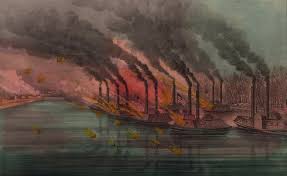
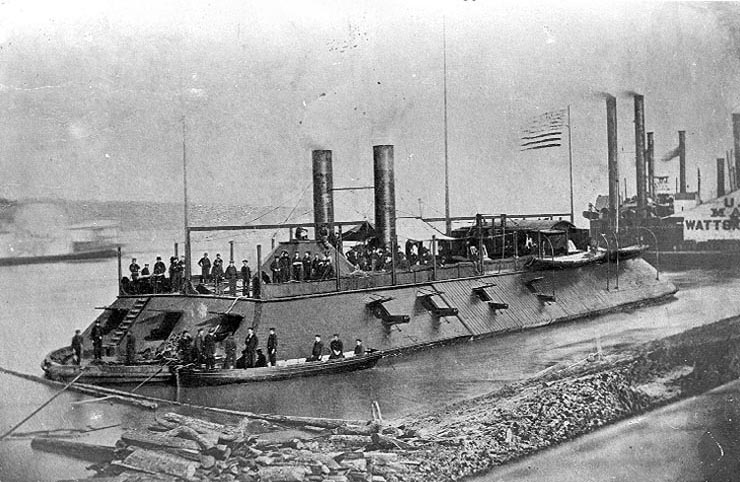
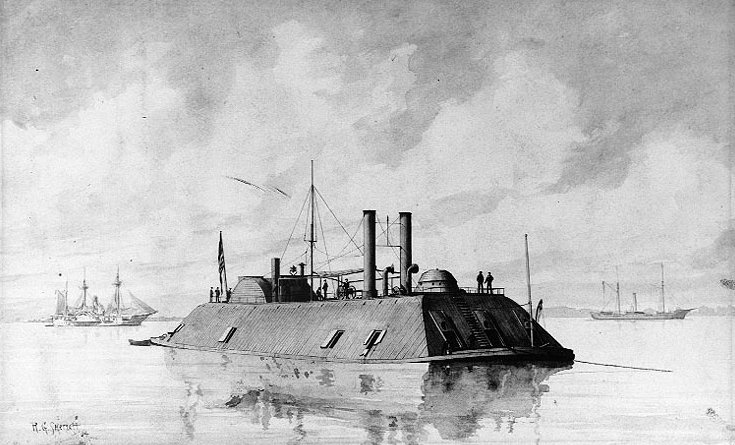
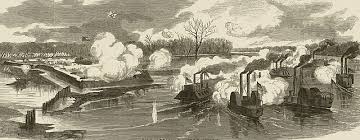
Two renditions
of the gunboat attack on Fort Henry
Grant reports his success to Halleck [1, p. 145; 3, p. 111; 4, p. 17; 6, pp. 23--24; 7, p. 128; 10, p. 5; 11, pp. 124]: HEADQUARTERS
DISTRICT OF CAIRO,
Fort Henry,
February 6, 1862.
Fort Henry is ours. The gunboats silenced the batteries before the investment was completed. I think the garrison must have commenced the retreat last night. Our cavalry followed, finding two guns abandoned in the retreat. I shall take and destroy Fort Donelson on
the 8th and return to Fort Henry. U.S.
GRANT,
Brigadier-General.
Maj. Gen. H. W. HALLECK, ---------- At 6:30 p.m., Buell tells Halleck that he can send him eight more regiments. [11, p. 588] Grant writes to Halleck through Halleck's adjutant: HEADQUARTERS DISTRICT OF CAIRO,
Fort Henry, February 6, 1862.
CAPTAIN:
Inclosed I send you my order for the attack upon Fort Henry. Owing to
dispatches received from Major-General Halleck and corroborating
information here to the effect that the enemy were rapidly
re-enforcing, I thought it imperatively necessary that the fort should
be carried today. My forces were not up at 11 o'clock last night when
my order was written, therefore I did not deem it practicable to set an
earlier hour than 11 o'clock to-day to commence the investment.
The
gunboats started up at the same hour to commence the attack, and
engaged the enemy at not over 600 yards. In a little over one hour all
the batteries were silenced and the fort surrendered at discretion to
Flag-Officer Foote, giving us all their guns, camp and garrison
equipage, &c. The prisoners taken are General Tilghman and staff,
Captain Taylor and company, and the sick. The garrison, I think, must
have commenced their retreat last night or at an early hour this
morning. Had I not felt it an imperative necessity to attack Fort Henry
to-day I should have made the investment complete and delayed until
to-morrow, so as to have secured the garrison. I do not now believe,
however, that the result would have been any more satisfactory.
The gunboats have
proved themselves well able to resist a severe cannonading. All the
iron-clad boats received more or less shots--the flag-ship some
28---without any serious damage to any except the Essex. This vessel
received one shot in her boiler that disabled her, killing and wounding
some 32 men, Captain Porter among the wounded.
I
shall take and destroy Fort Donelson on the 8th and return to Fort
Henry with the forces employed, unless it looks feasible to occupy that
place with a small force that could retreat easily to the main body. I
shall regard it more in the light of an advance grand guard than as a
permanent post.
For the character of the works at Fort
Henry I will refer you to reports of the engineers, which will be
required.
Owing
to the intolerable state of the roads the transportation will be taken
to Fort Donelson and but little artillery, and that with double teams.
Hoping that what has been done will
meet the approval of the major-general commanding the department, I
remain, &c.,
U.S. GRANT, Brigadier-General.
Capt. J. C. KELTON, Saint Louis, Mo. [7, p. 132; 11, pp. 124--25] |
|
||||||||||||||
| Feb. 6--10, 1862 | With the Tennessee River now open, a
Federal gunboat squadron, consisting of the Conestoga, Lexington, and Tyler,
under the command of Lt. Cmdr. S.L. Phelps, raids
up the Tennessee
River as far as Muscle Shoals. Two steamboats full of military
stores are captured and burned (with quite explosive effects), and the
steamer Eastport, being
converted to an ironclad gunboat, is captured along with a large
quantity of timber and iron plating intended for her construction.
(The conversion of the Eastport
into an ironclad ram is finished at Cairo, and she serves the Union on
the western waters until April 15, 1864, when she strikes a mine in the
Red River and has to be destroyed to
prevent her capture by the
Confederates.) [1, 148--149; 2, p. 134; 3, pp. 113--115; 4, pp. 17--19; 5, p. 52; 7, pp. 135--44; 8, pp. 9--10; 9, pp.
87--88; 10, pp. 53, 73; 11, pp.
153--156; Lt. Cmdr. Phelps' full report may be
found here. A map of the raid is here. Confederate General A.S. Johnston orders Ohio-born Brig. Gen. Bushrod Johnson to Fort Donelson to take command of the post. [4, p. 19; 5, p. 54; 7, pp. 162--63; 9, p. 87; 10, pp. 5--6; 11, p. 2, p. 358] |
|
||||||||||||||
| Feb. 7, 1862 |
News
of Fort Henry's capture reaches the Confederates at Bowling Green,
Kentucky. Plans are immediately set in motion to withdraw from
Columbus and Bowling Green, to Nashville or perhaps further
south. Reinforcements are sent to Fort Donelson. All of
this is set down in a memorandum. [1,
p. 154; 2, pp. 111, 131; 3, p. 112; 4, p. 19; 7, p.
145; 8, p. 8; 9,
pp. 89--90; 10, p. 64; 11, pp. 861--62; full text of the resulting
memorandum is here.] Gov. Isham Harris of Tennessee informs Richmond of the fall of Fort Henry. [11, pp. 860--861.] McClellan writes to Halleck: HEADQUARTERS ARMY, February 7, 1862--7.15
p.m.
Maj. Gen. H. W. HALLECK, Saint Louis, Mo.: Dispatch received. I congratulate you upon the result of your operations. They have caused the utmost satisfaction here. I would not undertake a dash at Columbus now. Better devote everything towards turning it; first collecting a sufficient force near Forts Henry and Donelson to make success sure. Either Buell or yourself should soon go to the scene of operations. Why not have Buell take the line of Tennessee and operate on Nashville, while your troops turn Columbus? Those two points gained, a combined movement on Memphis will be next in order. The bridges at Tuscumbia and Decatur should at all hazards be destroyed at once. Please number telegraphic dispatches and give hour of transmittal. Thank Grant, Foote, and their commands for me. GEO. B. McCLELLAN, Major-General, Commanding.
[7, p. 153; 11, pp. 591.] Grant and his staff explore the ground toward Fort Donelson; cavalry is then sent forward to within a mile of the fort. [7, pp. 158, 161.] |
|
||||||||||||||
| Feb. 8, 1862 | Brig.
Gen. John B. Floyd arrives in Clarksville, about 30 miles from Fort
Donelson, pursuant to orders received on the evening of the 6th.
Some of his troops had arrived the evening before. [2, p.
112; 3, p.
128; 4, p. 19; 7, pp. 163--65; 9, pp. 93--94;
11, p. 865] Federal reinforcements are pouring into Fort Henry. On this date alone, eight new infantry regiments, plus cavalry and artillery, disembark at the fort. [3, p. 117] Confederate Secretary of War Benjamin, writes to General A.S. Johnston regarding reinforcements and the shipment of newly imported British arms to his army. [9, pp. 90--91; 10, p. 87; 11, pp. 862--63, 872, 883; Benjamin's full letter of this date is here.] Gen. Johnston writes to Secretary of War Benjamin, "No reliable particulars of the loss of Fort Henry have yet reached me," but later adds that the loss of Fort Donelson would threaten to cut off Hardee's troops in Kentucky from a retreat south. Hardee is thus ordered to prepare his command to withdraw south. [7, p. 146; 9, p. 62; 11, pp. 863--64; full text of the letter is here.] Confederate Secretary of War Benjamin writes to Maj. Gen. Braxton Bragg, commanding at Pensacola, Florida, saying (in part), "The President desires that you will as soon as possible send to Knoxville all the troops you can spare from your command without immediate danger, and he hopes that the number will be at least four regiments. The condition of affairs in Kentucky and Tennessee demands from us the most vigorous effort for defense, and General A. S. Johnston is so heavily outnumbered, that it is scarcely possible for him to maintain his whole line without large additional re-enforcements." Bragg initially is only willing to send a single regiment (to guard the RR bridge at Decatur, Alabama), but upon learning more of the crisis, advocates abandoning the Gulf Coast to reinforce the vital point. [7, p. 148; 8, p. 26, Official Records, Vol. VI, pp. 824--25, 827, 828, 894.] Benjamin also writes to Maj. Gen. Mansfield Lovell, commanding at New Orleans, requiring that 5,000 men be sent to Columbus, Kentucky. [7, p. 148; 8, p. 26, Official Records, Vol. VI, p. 824.] |
|
||||||||||||||
| Feb. 9, 1862 |
Johnston orders Mexican War veteran and Tennessee politician,
Brig.
Gen. Gideon Pillow, to take command at Fort
Donelson. Pillow's orders
are to hold out as long as possible, then retreat to Nashville. [2, pp.
111--12; 3, p.
130; 4, p. 19; 7, pp.
163--64; 9, p. 93; 11,
pp. 867--868]
Johnston is informed by the Confederate War Department that 5,000 men have been ordered to Columbus, Kentucky, from New Orleans. [11, p. 867] Federal cavalry, accompanied by Grant, scouts forward towards Fort Donelson. [3, p. 116] |
|
||||||||||||||
| Feb. 10, 1862 | Grant
holds a council of war with Smith, McClernand, and Wallace, on board
his headquarters boat; all are in favor of moving on Fort Donelson, but
McClernand presents and reads a paper he has prepared describing how to
do it (with his division taking the lead role). [3, pp. 116--17; 7, pp. 157--58.] Pillow arrives at Fort Donelson and assumes command. [7, p. 164; 9, p. 93.] |
|
||||||||||||||
| Feb. 11, 1862 |
Maj. Gen. William J. Hardee begins
withdrawing his troops from Bowling Green. [9, p. 97]
Brig. Gen. S. B. Buckner's division arrives at Fort Donelson from Clarksville, having marched there from Russellville, Kentucky. [3, p. 132; 11, p. 328] Flag Officer Foote sails from Cairo for Fort Donelson with the Louisville, Pittsburg, and St. Louis, having taken men from the Essex and Cincinnati to fill out the crews. [7, pp. 160--61.] Confidence is everywhere in the Federal high command: Assistant Secretary of War Thomas A. Scott writes to Halleck, "Victory seems to crown all our efforts." [7, p. 161; 11, pp. 604--05] |
|
||||||||||||||
| Feb. 12, 1862 | Grant
wires Halleck: FORT HENRY, February
12, 1862.
Major-General HALLECK: We start this morning
for Fort Donelson in heavy force. Four regiments from Buell's command
and two from Saint Louis arrived last night and were sent around by
water. I hope to send you a dispatch from Fort Donelson to-morrow.
U.S. GRANT, Brigadier-General.
And
so the army begins to move on Fort Donelson (McClernand's
division had made a short advance on the 11th). By evening,
Federal
troops begin to appear along the Fort Donelson perimeter. The
moderate temperatures caused many men to discard their heavy overcoats,
a decision they would soon regret. Brig. Gen. Lew Wallace is left
with his brigade to guard Forts Henry and Heiman. Grant arrives
at Fort Donelson at around 2 p.m.
[1, pp.
153--54; 3, pp. 121--22; 4, pp. 20, 46; 7, pp.
170--73; 10, p. 55; 11,
p. 612; 14, p. 195.]
Plans
are set in motion to send Brig. Gen. Dan Ruggles north from New
Orleans (eventually arriving at Corinth) with about 5,000 men. It will
take nearly a month for all the troops to reach their destination.
[6, p. 60; 8, p. 26; 11, p. 878]
At midday, the Carondelet appears downstream from Fort Donelson, and fires a few shells. The Confederate batteries respond, and the Carondolet withdraws, which the Confederates interpret as a great victory. Some even think the gunboat has been sunk. [7, pp. 178--79] Johnston wires Floyd as follows: BOWLING GREEN, [February] 12, 1862.
General
FLOYD, Cumberland City: My information from Donelson is that a battle will be fought in the morning. Leave a small force at Clarksville and take the remainder, if possible, to Donelson to-night. Take all the ammunition that can be spared from Clarksville. The forces at Elkford and Whippoorwill bridges have been ordered to Clarksville. A. S. JOHNSTON,
General.
[Official Records, Series I, Vol. LII, pt. 2, p. 271--73.] Beauregard advises Johnston that the fall of Fort Henry requires an immediate withdrawal of Confederate forces from the Kentucky-Tennessee line. [11, pp. 896--97] Pillow decides to make a stand at Fort Donelson. Accordingly, troops from Clarkesville and other nearby posts are moved into the lines. [2, p. 116; 4, p. 19; 7, pp. 165--66] |
|
||||||||||||||
| Feb. 13, 1862 |
Floyd
arrives at Fort Donelson with reinforcements, bringing the garrison
strength to just over 16,000 men. As the senior officer present,
Floyd takes command of the Confederate defense. [2, p.
116; 3, p. 138; 4, p. 45; 5, p. 58; 7,
p. 206; 9,
pp. 93--95]
Lovell advises Johnston that any reinforcements from his command be sent to Corinth, not Columbus. [9, pp. 127--28] Grant's army
invests Fort Donelson. [2, pp.
112--13, 118; 3, pp. 137--40; 5, p. 58.]
Federal artillery and sharpshooters open upon the Confederate lines. [7, pp. 212] Smith sends two brigades
forward to feel out the Confederate lines in his front,
but they are repulsed with some loss.
[3, pp. 140--42; 4, p. 45; 7, pp.
216--23.]
McClernand
sends a brigade forward to deal with a troublesome Confederate
battery and is
repulsed with some loss. [1, p.
156; 3, pp. 143-146; 4, p. 45; 5, p. 59; 7,
pp. 223--30; 9, p. 96; 11, pp.
172-173]
During
the
morning, the ironclad Carondelet duels with
the Confederate batteries, but gets
the worst of it, although the Confederates
suffer some losses as well. [1,
pp.
155--56; 2, p. 118; 4, p. 45; 7,
pp. 213--16; 9, p. 96.]
Note:
The Confederate position is more extensive than just the fort
commanding the river. A lengthy perimeter defense has been
established around the earthen fort itself, enclosing the small village
of Dover. [2, p. 119; see maps, here.]
Throughout
the afternoon the temperature drops and significant snow falls
(perhaps as much as 3") overnight. [1, p. 157; 3, p. 147; 7, pp. 232--37; 9, p. 96.]
At about 10 p.m., a flotilla of transports with more troops, escorted by Foote's gunboat flotilla, arrives at a landing downstream from the Federal left flank, [7, pp. 240--241.] |
|
||||||||||||||
| Feb. 14, 1862 | At
1 a.m., Brig. Gen. Lew Wallace is awakened with an order from Grant to
bring his brigade to Fort Donelson, leaving guards at Forts Henry and
Heiman. Upon arriving at Grant's HQ (at about 11 a.m.), Wallace
is informed that he is to command a new Third Division made up of
regiments just arriving by river transport. Wallace is a bit
distressed to be separated from his old brigade, which remains part of
Brig. Gen. C.F. Smith's First Division. [7, pp. 242--243; Lew Wallace: An Autobiography,
Vol. 1, pp. 382--89.] Concerned about reports of large numbers of steamboats landing more Federal troops just downstream of the fort, Confederate leaders plan, order, and then call off an attempt to break out and retreat to Nashville. [2, p. 120; 3, pp. 149--51; 7, p. 256--258.] At about 3:00 p.m., Federal gunboats (the ironclads Carondelet, Louisville, St. Louis, and Pittsburg, plus the wooden gunboats Conestoga, Lexington, and Tyler) attack the fort, but after some initial success, are driven off, with significant damage to the fleet; Foote is wounded, and Pittsburgh and Carondelet are both badly damaged. The Federal fire was initially very effective, but as Foote closed the range his own guns began to overshoot the enemy, while the Confederate batteries became more effective. Foote breaks off the attack after about 90 minutes. [1, pp. 160-162; 2, p. 120; 3, pp. 155-159 (Cooling says the action began at "about 2:38 p.m."); 4, pp. 46--47 (here Cooling says the attack began at about 2:00 p.m.); 5, pp. 60-62; 7, pp. 244--254 (Smith is the source used here for the attack beginning at 3:00 p.m.); 9, p. 97; 10, p. 56] Halleck assigns Brig. Gen. William T. Sherman to command the District of Cairo. This essentially puts Sherman in charge of forwarding new regiments to Grant. [1, p. 149; 7, p. 169; 11, p. 614] The Confederate commanders---Floyd, Pillow, Buckner---hold a very confusing "council of war," which breaks up at 1 a.m., having planned a breakout attempt for 5 a.m. [3, pp. 162--63; 4, p. 47; 7, pp. 258--63.] Johnston wires Floyd as follows: EDGEFIELD, February 14, [1862].
General
FLOYD, Port Donelson:If you lose the fort, bring your troops to Nashville if possible. A. S. JOHNSTON, General.
[3,
p. 162; 11, p. 880.] |
|
||||||||||||||
| Feb. 15, 1862 | Flag
Officer Foote asks Grant to come to his flagship for a conference.
(Foote's wound, while minor, makes riding a horse not practical.)
Foote explains to Grant that the most badly wounded gunboats (Pittsburgh and Carondelet) must return to Cairo
for repairs. Pittsburgh
leaves almost immediately; Carondelet needs preliminary repairs before she
can even move. [1, p. 163;3, p.
170; 4, p. 47; 7,
pp. 266--68.] While Grant is away, the Confederates attack McClernand and Wallace on the right of Grant's line, in order to open an escape route to Nashville, and are briefly successful, throwing the Federal right back and opening up a couple of roads. Meanwhile, Grant returns and orders C.F. Smith to attack the Confederate lines in his front (on the Federal left), and Wallace and McClernand to retake the position on the Federal right. Both attacks are successful and the Confederate position is doomed. Confederate response to the day's fighting is unusual, to say the least. Although the plan had been to cut their way out towards Nashville, the Confederates withdrew back into their original perimeter at the end of the day. However, Smith's attack seized high ground overlooking the Fort itself, rendering the Confederate position untenable. In an almost comic meeting at Pillow's headquarters, the Confederate leadership demonstrates how not to be a soldier: After much discussion on whether or not to attempt to escape to Nashville, Floyd and Pillow decide upon surrender of the garrison. Declaring that they should not be taken prisoner, both Floyd and Pillow escape across the river toward Nashville. Col. Nathan Bedford Forrest, who will be a thorn in the side of the Federals in the future, leads his cavalry regiment, together with an unknown number of other ranks from the garrison, out of the trap. Brig. Gen. S. B. Buckner, the senior officer remaining, communicates with Grant, to ask for terms, and Grant's early-morning reply (below) has become legendary. [1, pp. 164-175; 2, pp. 116--25, 133; 3, pp. 166--209; 4, pp. 47--52; 5, pp. 64--66; 6, pp. 24--26; 7, pp. 264--375; 8, pp. 6--7; 9, pp. 96--100; 10, pp. 57--58; 11, pp. 161; 14, p. 218; a series of maps covering the fighting at Fort Donelson may be found here.] 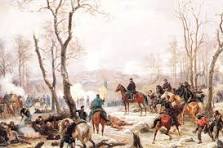 Grant observing the fighting on Feb. 15, 1862 Painting by Paul Philippoteaux HEADQUARTERS
ARMY IN THE FIELD,
Camp near Fort
Donelson, February 16, 1862.
SIR: Yours of this date, proposing armistice and appointment of commissioners to settle terms of capitulation, is just received. No terms except unconditional and immediate surrender can be accepted. I propose to move immediately upon your works. I am, sir, very respectfully, your obedient servant, U.S.
GRANT,
Brigadier-General,
Commanding.
General S. B. BUCKNER, Confederate
Army.
|
|
||||||||||||||
| Feb. 16, 1862 | Confederate
Brig. Gen. Leroy Pope Walker (formerly the Confederate Secretary of
War), recently assigned to the defense of North Alabama by Braxton
Bragg, writes to Gen. Johnston's Assistant Adjutant-General: HEADQUARTERS DISTRICT OF NORTH
ALABAMA,
Tuscumbia, February 16, 1862.
Maj. W. W. MACKALL, Assistant Adjutant-General, Dept. of General A. S. Johnston: MAJOR:
On the 14th I addressed you a communication and directed it to Bowling
Green, not having then heard of its evacuation by General Johnston.
Fearing that it may not reach you, I repeat substantially its contents.
General Bragg, commanding the Department of West Florida and Alabama,
has created this district and assigned me to its command. The object of
General Bragg in sending me here was to defend the Upper Tennessee and
the Memphis and Charleston Railroad and its connections; but with the
district as now organized it is impossible to adopt any system of
defenses at all commensurate with the magnitude of the interests
involved. It is not only the Tennessee River up to this point which is
threatened, but also the Memphis and Charleston Railroad and the Mobile
and Ohio Road, which intersects the Memphis and Charleston Road at
Corinth, Miss. These roads constitute the vertebrae of the Confederacy,
but with this district as now limited I have no control of that portion
of Mississippi and Tennessee through which these roads run, nor of that
portion of Tennessee lying on the Tennessee River from which these
roads may be approached. The portions of Mississippi and Tennessee
referred to lie within the department of General Johnston. I therefore
respectfully and urgently suggest that the counties of Tishomingo and
Tippah, in Mississippi, and the counties of Wayne, Hardin, and McNairy,
in Tennessee, be added to my district, so that I may be able to direct
and control the military operations in those counties.
A
large proportion of the population of the counties of Hardin and Wayne
is in sympathy with the enemy, and either Savannah or Hamburg, in
Tennessee, or Eastport, in Mississippi, will be made the base of his
operations.
The
only troops so far assigned to me by General Bragg are one regiment of
infantry and one regiment of cavalry. The inadequacy of this force is
patent to observation, and I trust that General Johnston, appreciating,
as I doubt not he does, the importance of this position, will at once
send me an additional force; and in this connection l would
respectfully request that an engineer officer of experience and ability
be sent to me.
I am, major, very respectfully, your obedient servant, L. P. WALKER, Brigadier-General,
Commanding.
[10, pp. 73--74; 11, pp. 887--88.] Generals Pillow and Floyd arrive at Nashville from Fort Donelson. [9, p. 100.] Grant wires Halleck: FORT DONELSON (via SMITHLAND), February 16,
1862.
Maj. Gen. H. W. HALLECK: We
have taken Fort Donelson and from 12,000 to 15,000 prisoners, including
Generals Buckner and Bushrod [R.] Johnson; also about 20,000 stand of
arms, 48 pieces of artillery, 17 heavy guns, from 2,000 to 4,000
horses, and large quantities of commissary stores.
U.S. GRANT, Brigadier-General, Commanding.
[1, p. 178; 3, p. 214; 4, p. 52; 10,
p. 5; 11, p.
625; see also, Grant to Cullom, 14, pp. 223--25, which appears to
be Grant's initial report.]
The precise number of men captured at Fort Donelson is subject to
some degree of controversy, in large part because many escaped with Forrest, and some (like Brig. Gen.
Bushrod Johnson)
literally just walked away before anyone tried to put them on a boat
heading north. However, author Timothy B. Smith cites a document
saying that
rations for 14,623 Confederate prisoners
were given out in Cairo. [7, pp.
380, 397.]
|
|
||||||||||||||
| Feb. 16-17, 1862 | The
Confederate Army from Bowling Green retreats through Nashville and on
to Murfreesboro, where they are joined by those troops that survived
the debacles at Mill Springs and Fort Donelson. Perhaps as many
as 17,000 men are present. Massive amounts of supplies stored in
Nashville are destroyed. [2, pp.
126--37; 3, pp. 232--37;
4, p. 52;
5, p. 67; 6, pp. 40--43; 8, p. 7; 9, pp. 99--100; 10, pp. 61--62]
|
|||||||||||||||
| Feb. 17, 1862 |
The
damaged ironclad Carondelet,
under the command of Commander Henry Walke, arrives at Cairo with news
of the surrender of Fort
Donelson. Flag Officer Foote wires to
the Secretary of the Navy:
[7, p. 376; The Official Records, Navy,
Vol. XXII, p. 584.] CAIRO, III., February
17, 1862. The
Carondelet
has just
arrived from Fort Donelson and brings information of the capture of
that fort
by the land forces yesterday morning, with 15,000 prisoners. Johnson
and
Buckner taken prisoners; loss heavy on both sides. Floyd escaped with
5,000 men during the night. I go up with the gunboats, and as soon as
possible will
proceed up to Clarksville. Eight mortar boats are on their way, with
which I
hope to attack Clarksville. My foot is painful, but not dangerous. The
army has
behaved gloriously. I shall be able to take but two ironclad gunboats
with me,
as the others are disabled. The trophies of war are immense and the
particulars
will soon be given. A. H. FOOTE, Flag-Officer. Hon.
G. WELLES. Confederate Brig. Gen. Leroy Pope Walker writes to his Secretary of War, TUSCUMBIA, ALA., February 17,
1862.
J.P. BENJAMIN: The
Kentucky line of defenses has been lost, with a large part of our army.
The line from Memphis to Virginia must now be defended at all hazards.
To do this we must have armies at Corinth and Knoxville. To supply
these armies, what remains of Johnston's forces, Columbus, the Gulf,
the seaboard, and Virginia must be drawn; better lose the seaboard than
this line. The Memphis and Charleston Road is the vertebrae of the
Confederacy, and there are no troops for its defense. In a week the
enemy can threaten it from Eastport, within 8 miles, and Hamburg,
within 22 miles, with 50,000 men, unless large forces are immediately
sent to its protection. The people will abandon the country to the
occupation of the enemy.
With great respect I suggest
these views, and urgently ask for immediate action.L. P. WALKER, Brigadier-General.
[9,
p. 117; 11, p. 889]Gen. Johnston informs his government of the disaster: NASHVILLE, TENN., February 17, 1862.
SECRETARY OF WAR: Fort Donelson was surrendered
at 4.10 p.m. yesterday, after most gallant defense. Floyd saved about
1,000 men. He and Pillow are here. Buckner surrendered after they left.
This army is across the Cumberland.
A. S. JOHNSTON, General.
[9,
p. 100; 11, p. 256] |
|
||||||||||||||
| Feb. 17, 1862 | Grant
issues a congratulatory order to his troops: GENERAL
ORDERS No. 2.
HDQRS.
DIST. OF WEST TENNESSEE,
Fort
Donelson, February 17, 1862.
The
general commanding takes great pleasure in congratulating the troops of
this command for the triumph over rebellion gained by their valor on
the 13th, 14th, and 15th instant.
For
four successive nights, without shelter, during the most inclement
weather known in this latitude, they faced an enemy in large force in'
a position chosen by himself. Though strongly fortified by nature, all
the safeguards suggested by science were added. Without a murmur this
was borne, prepared at all times to receive an attack, and with
continuous skirmishing by day, resulting ultimately in forcing the
enemy to surrender without conditions.
The
victory achieved is not only great in breaking down rebellion, but has
secured the greatest number of prisoners of war ever taken in one
battle on this continent.
Fort
Donelson will hereafter be marked in capitals on the maps of our united
country, and the men who fought the battle will live in the memory of a
grateful people.
U.S. GRANT, Brigadier-General,
Commanding.
[1, p. 183;
11, p. 629; 14, pp. 231--32]Halleck
wires McClellan, "Make Buell, Grant, and Pope major-generals of
volunteers, and give me command in the West. I ask this in return for
Forts Henry and Donelson." [1, p. 188; 4, p. 226; 6, pp. 36--39; 7,
p. 392;
11, p. 628]
Brig. Gen. Dan Ruggles, with 5,000
troops
from New
Orleans, arrives at Corinth. [2,
p. 13; 10, p. 74; 11, p. 891.]
|
|
||||||||||||||
| Feb. 19, 1862 | President Lincoln signs Grant's promotion to Major General of Volunteers; Buell and Pope are promoted later. (This means that Grant out-ranks every other officer currently serving west of the Appalachians, except for Halleck.) [1, pp. 188-189; 7, p. 390; 14, p. xxiv] |
|
||||||||||||||
| Feb. 20, 1862 |
Because
of the defeat at Fort Donelson, the Confederate fortress at Columbus,
Kentucky, under the command of Maj. Gen. Leonidas Polk, is ordered
evacuated. (Actually,
the position at Columbus was doomed when
Fort Henry fell.) [4, p. 52; 5,
pp. 54--55; 6, pp. 47--48; 8, p. 8; 9, p. 90; 10,
p. 65; 11, pp.
893-894]
Acting under Polk's authority, Ruggles assumes command of all Confederate forces along the Memphis and Charleston Railroad, from Corinth to Decatur, Alabama. [11, p. 894] On
this day, General-in-Chief McClellan wires Brig. Gen. D.C. Buell, "I
hope to have Richmond and Norfolk in from three to four weeks." [11, p. 640.]
President Lincoln's middle son, Willie, dies of typhoid fever. [7, p. 389] |
|
||||||||||||||
| Feb. 21, 1862 | Portions
of C.F. Smith's command occupy Clarksville, Tennessee. [1, pp. 184, 189; 7, p. 394; 11,
p.
648] Grant
re-organizes his increasing force into four divisions, under
McClernand, Smith, Wallace, and Brig. Gen. Stephen A. Hurlbut. [7, p. 381; 10, p. 13; 11, pp. 649-650;
14, pp.
253--54]
|
|
||||||||||||||
| Feb. 24, 1862 | Brig.
Gen. William Nelson's division of the Army of the Ohio arrives at Fort
Donelson as a belated reinforcement. Grant orders Nelson upriver
towards Nashville. [1, p. 189; 3, p. 229; 7, p. 394; 11, p.
662] Johnston informs President Davis that he intends to retire to Decatur, Alabama. [2, p. 138; 9, p. 120.] Federal General-in-Chief McClellan suggests to Halleck that Corinth, Mississippi, might be a proper objective. [8, p. 22; 11, p. 661.] |
|
||||||||||||||
| Feb. 25, 1862 |
Nelson's
Division occupies Nashville, the first Confederate capital to
fall. [1,
pp. 189--90; 6, pp. 57--58; 7, p. 394; 11, p.
662]
Gen.
Johnston writes to Secretary of War Benjamin, explaining that it is his
decision to use the troops at his disposal to defend the Mississippi
Valley. Floyd will be sent with a brigade to defend
Chattanooga. Johnston also suggests the creation of a separate
Department encompassing East Tennessee, i.e., Chattanooga and
Knoxville. [9, pp. 118--19;11, pp.
426--27; full text of this letter is here.]
|
|
||||||||||||||
| Feb. 26, 1862 | Brig. Gen. Daniel Ruggles, commanding at Corinth, Mississippi, informs Gen. Beauregard that he has sent a small mixed force of infantry, artillery, and cavalry, to Pittsburg Landing, in order to observe the Tennessee River. [5, p. 69; 11, p. 909] |
|
||||||||||||||
| Feb. 27, 1862 | Buell
believes his force at Nashville to be outnumbered and in danger of
being attacked, and demands that Grant sends him reinforcements.
Grant sends Smith's division, then proceeds to Nashville himself,
where he has a tense conference with Buell. [1, pp. 191-193; 3, pp. 247--48; 5, p.
71; 6, p. 58.] |
|
||||||||||||||
| Feb. 28, 1862 |
Johnston's
force begins evacuating Murfreesboro. [5, p. 87; 6, pp. 87--88; 10, p. 68]
Confederates begin
evacuating
Columbus, Kentucky. [5, p. 94; 8, p. 8; 9, p. 118; 10, p.
79; 11, pp. 437-438]
|
|
||||||||||||||
| March 1, 1862 |
Halleck
orders Grant to proceed up the Tennessee River as far as Eastport,
Mississippi, to destroy railroad bridges. [1, p. 194; 3, p. 230; 10, p. 6;
11, p. 674]
Lt. William Gwin, commanding the
gunboats
Lexington and Tyler,
disperses the small
Confederate outpost at
Pittsburg Landing. [1, p. 201; 5, p. 80; 6, p. 70; 7, p.
396; 8, pp.
9--10, 27; 10, pp.
9, 75.]
|
|
||||||||||||||
| March 2, 1862 | Beauregard
advises Johnston: I think you ought to hurry up your troops to
Corinth by RR as soon as practicable, for here or thereabouts will soon
be fought the great battle of this controversy." [9, p. 127] Confederate Maj. Gen. Polk begins to (reluctantly) evacuate Columbus, Kentucky. [8, pp. 8, 23; 9, p. 118; 11, p. 437.] |
|
||||||||||||||
| March 3, 1862 | Halleck
complains to General-in-Chief McClellan that he has "had no
communication with General Grant for more than a week. He left his
command without my authority and went to Nashville. His army seems to
be as much demoralized by the victory of Fort Donelson as was that of
the Potomac by the defeat of Bull Run." [1, pp. 193--96; 3, p. 249; 5, p. 72; 6,
p. 52; 8, p. 7; 10, p. 16; 11, pp. 679-680.] President Lincoln nominates, among others, Don Carlos Buell, John Pope, John McClernand, C.F. Smith, and Lew Wallace, to be Major Generals of Volunteers. [Roy Basler, The Collected Works of Lincoln, Vol. 5, p. 142] |
|
||||||||||||||
| March 4, 1862 |
Confederate
Maj. Gen. Braxton Bragg arrives from Pensacola, Florida, in Jackson,
Tennessee. [2, p. 140; 6, pp.
63--64; 10, pp. 67, 75]
Beauregard writes to the Confederate War Department, requesting two major generals and five brigadier generals be assigned to the Tennessee command. [10, p. 86] Columbus, Kentucky is occupied by Federal troops; Halleck's Chief of Staff writes to him: "Columbus, the Gibraltar of the West, is ours, and Kentucky is free; thanks to the brilliant strategy of the campaign, by which the enemy's center was pierced at Forts Henry and Donelson, his wings isolated from each other and turned, compelling thus the evacuation of his strongholds of Bowling Green first and now Columbus." [4, p. 229; 8, p. 8; 11, pp. 436--37, 683.] Halleck further writes to McClellan, "A rumor has just reached me that since the taking of Fort Donelson General Grant has resumed his former bad habits." He then writes to Grant: "You will place Maj. Gen. C. F. Smith in command of expedition, and remain yourself at Fort Henry." [1, p. 197; 3, p. 249; 5, p. 73; 6, p. 53; 8, pp. 7--8; 10, p. 16; 11, p. 682; 13, pp. 3, 13, 15; 14, p. 3; a full compilation of the message traffic concerning this controversy, plus a small amount of commentary, is here.] Flag
Officer Foote reports that Columbus, Kentucky has been occupied by
troops under the command of Brig. Gen. W.T. Sherman. [11, p. 436.]
Halleck directs that the Tennessee River expedition be based out of Savannah. [8, p. 19; 13, pp. 21-22] |
|
||||||||||||||
| March 5, 1862 | Confederate
Gen. Albert Sidney Johnston, with most of the troops from Nashville,
arrives in Huntsville, Alabama. (Some of the troops go to Athens,
Alabama, slightly west of Huntsville.) [5, p. 87; 9, p. 120.] |
|
||||||||||||||
| March 6, 1862 | Halleck
writes to Assistant Secretary of War Scott: HEADQUARTERS
DEPARTMENT OF THE MISSOURI,
Saint
Louis, March 6, 1862.
THOMAS A. SCOTT, Assistant Secretary of War, Cairo: Your
letters were sent to Nashville several days ago. It is reported that
Beauregard has 20,000 men at Corinth, and is fortifying. If so, he will
make a Manassas of it. It is his best point to cover Memphis and
Chattanooga. What a mistake that Buell did not send forces to move with
us up the Tennessee, so as to seize that point. Smith has gone to do
it, but I fear it is too late and that he is too weak. I cannot make
Buell understand the importance of strategic points till it is too late.
H. W. HALLECK, Major-general.
[8, p. 9; 13, p. 10.] |
|
||||||||||||||
| March 7--8, 1862 | Union Brig. Gen. Samuel Curtis defeats Confederate Maj. Gen. Earl Van Dorn
at the Battle of Pea Ridge, in northwestern Arkansas. [3, p. 230; 6, p. 65; 10, pp. 83--84.] |
|
||||||||||||||
| March 8, 1862 |
Beauregard calls upon churches to
donate their brass bells for Confederate cannon. [10, p. 87; 13,
p. 350.]
The 40th Illinois lands at Savannah, Tennessee. [5, p. 75; 8, p. 13] The Tennessee delegation
in the Confederate Congress asks President Davis to remove Johnston
from command. [2, p. 138]
|
|
||||||||||||||
| March 9, 1862 | Several
of Grant's subordinates, mostly from McClernand's Division, send him a
letter of support. [8, p. 8; 14, p.
338] |
|||||||||||||||
| March 10, 1862 | Halleck
receives a telegram from the Adjutant General in Washington: "By
direction of the President the Secretary of War desires you to
ascertain and report whether General Grant left his command at any time
without proper authority, and, if so, for how long; whether he has made
to you proper reports and returns of his force; whether he has
committed any acts which were unauthorized or not in accordance with
military subordination or propriety, and, if so, what." [1, p. 206; 10, p. 17; 11, p. 683] Johnston's advance reaches Decatur, Alabama. [5, p. 88; 10, p. 70.] Hurlbut's Fourth Division departs from Fort Henry for Savannah. [8, p. 13] |
|
||||||||||||||
| March 11, 1862 |
Abraham
Lincoln issues "Presidential War Order No. 3," which does three things:
1. Maj. Gen. George McClellan is relieved
of duty as General-in-Chief of the Army;2. Maj. Gen. Henry Halleck's command is expanded by the consolidation of the Department of Missouri, the Department of Kansas, and much of the Department of Ohio, into a new Department of the Mississippi, thus putting Buell's Army of the Ohio under his command. 3. Certain Departments in western Virginia and east of the new Department of the Mississippi are consolidated into a new Mountain Department, under Maj. Gen. John C. Fremont. [1, p. 206; 3, p. 230; 6, pp. 83--84; 8, p. 8; 10, p. 21; 13, pp. 28--29.] A Confederate Congressional Committee finds the reports of Generals Floyd and Pillow, regarding events at Fort Donelson, to be unsatisfactory, as a result of which President Davis orders General Johnston to relieve them. [6, p. 50; 7, pp. 402--03; 9, pp. 121--22] Confederate Maj. Gen. Leonidas Polk informs President Davis that Columbus was evacuated on March 3rd. [7, p. 162; 8, p. 8; 9, p. 116; 13, pp. 310--311.] Grant, incensed at his treatment by Halleck, asks to be relieved of his command "until I can be placed right in the estimation of those higher in authority." [1, p. 205; 10, p. 17; 14, pp. 30, 353] Most of the Federal force has landed in the vicinity of Savannah. [8, p. 6] |
|
||||||||||||||
| March 12, 1862 | Smith
orders Lew Wallace's division to occupy Crump's Landing, slightly
upriver and across from Savannah. While getting out of a small boat on
the way back to his headquarters, Smith slips and severely injures his
leg. The wound becomes infected and eventually is fatal (April
25, 1862). [1, pp. 212-213; 5, pp. 83-84; 6, p.
78; 8, p. 14; 10, pp. 7, 77; 13, p. 319] Halleck wires Grant, "You cannot be relieved from your command. There is no good reason for it." [1, p. 205; 10, p. 17; 14, p. 32] Halleck also instructs Grant not to bring on "any general engagement," adding, "If enemy appears in force, our troops must fall back." [1, p. 210; 13, p. 32 (Catton's footnote has a typo; it points to 12 [OR v. X/1], but the correct source is 13 [OR Vol. X, Part 2].) Lew Wallace writes to his wife that secession is "about on its last legs in Tennessee." [6, p. 111; 10, p. 7] Confederate Brig. Gen. James Chalmers drives off the Federal gunboats Lexington and Tyler just north of Eastport, Mississippi. [10, pp. 76--77] Confederate
President
Jefferson Davis writes a letter of encouragement to Gen. A. S.
Johnston, his personal friend of many years. [6, p. 100;
9, p. 119; 10, p. 70; 11, pp. 257--58; full text of the letter is here.]
|
|
||||||||||||||
| March 13, 1862 | In
the early morning hours,
Wallace sends one brigade to support a cavalry raid which does some
damage to the Mobile and Ohio RR at Beach Creek near Purdy. [8, p. 15] Gen. Beauregard writes to Maj. Gen. Polk: JACKSON, TENN.,
March 13, 1862.
Major-General POLK: Dispatch
your infantry and artillery by railroad with utmost speed to Bethel
Station; cavalry by country roads. Leave regiment of infantry at Union
City and one at Lexington, with 500 cavalry on that border.
Report as soon as you begin movement. All possible celerity requisite.
G. T. BEAUREGARD. Gen. Bragg writes to Maj. Gen. Polk: JACKSON, TENN.,
March 13, 1862.
Major-General POLK: GENERAL:
The enemy are congregating in large force at Savannah, and made a
demonstration yesterday at Eastport, but soon retired on meeting
resistance. We look for a conflict in that direction soon.
Most truly, yours, BRAXTON BRAGG. [13, p. 319] |
|
||||||||||||||
| March 14--16, 1862 |
Smith
orders Brig. Gen. W. T. Sherman, now commanding the Fifth Division
(which Sherman often styles as the "First Division"), to
destroy the Memphis and Charleston Railroad at Eastport, Mississippi.,
an effort that is thwarted by rain as much as anything else.
Before departing, Sherman suggests to Smith that a division be
sent to occupy Pittsburg Landing. [1, p. 210; 5,
pp. 81-82; 6, pp. 81--82; 8, pp. 15--18; 9, p. 128; 10, pp. 8--14, 78;
12, pp.
22--31.]
Buell reports to Halleck that he has about 50,000 effective troops at Nashville, organized into six divisions of 18 brigades. [6, p. 59; 10, p. 22; 13, p. 37] At about 11:30 p.m., Gen. Braxton
Bragg, with
10,000 men from Pensacola, arrives at Bethel Station northwest of
Corinth. He reports that the railroad bridge damaged by Lew
Wallace on the 13th has been repaired. [5, p. 79; 6, p. 62; 12, p. 11.]
|
|
||||||||||||||
| March 15, 1862 |
Halleck
replies to the March 10 telegram from the Adjutant General (in
part):
"General Grant has made the proper explanations, and has been directed to resume his command in the field. As he acted from a praiseworthy although mistaken zeal for the public service in going to Nashville and leaving his command, I respectfully recommend that no further notice be taken of it. There never has been any want of military subordination on the part of General Grant, and his failure to make returns of his forces has been explained as resulting partly from the failure of colonels of regiments to report to him on their arrival and partly from an interruption of telegraphic communication. All these irregularities have now been remedied." [1, p. 206; 3, p. 249; 11, p. 683-684] Sherman's and
Hurlbut's divisions begin to assemble at Pittsburg Landing,
upriver from Savannah. Sherman becomes the de facto commander of the
encampment. At this point, Sherman and Hurlbut are closer to
Corinth than is Johnston's
main body at Decatur, Alabama. [5, p. 82; 8, pp. 18, 26; 10, p. 14;
10, pp. 14, 23-28.]
Brig. Gen. James Chalmers, posted at Iuka, Mississippi, informs Johnston that his scouts report that Buell is moving on Florence, Alabama, not Savannah. [2, p. 149] |
|
||||||||||||||
| March 16, 1862 | Halleck
orders Buell's Army of the Ohio to advance from Nashville to Savannah,
to link up with Federal forces there. The Army of the Ohio leaves
a garrison of 18,000 to hold Nashville, sends one division (under Brig.
Gen. Ormsby Mitchell) towards North Alabama, and Buell sends the other
five divisions toward Columbia, on the Duck River. [1, p. 210; 5, p. 88; 6, p. 112; 8, p. 11; 10, pp. 22, 44; 13, p. 42; 14, p. 38] Bragg reports that Grant is unloading troops at Pittsburg Landing. [2, p. 150; 10, p. 80.] Confederate and Federal cavalry (from Sherman's Division) skirmish along the Pittsburg and Corinth roads, with the Confederate horsemen being scattered. [10, p. 82; 12, pp. 24--25] |
|
||||||||||||||
| March 17, 1862 | Grant arrives at Savannah, Tennessee, to take command of the army assembling near there, and reports his arrival to Halleck. At this point, the army consists of McClernand's First Division, Smith's Second Division (commanded by W.H.L. Wallace, due to Smith's injury), Lew Wallace's Third Division, Stephen Hurtlbut's Fourth Division, and Sherman's Fifth Division. The First, Second, and Third Divisions are veterans of Fort Donelson; the Fourth and Fifth Divisions are green as grass. Grant puts Sherman in charge of the encampment at Pittsburg Landing. [5, p. 84; 6, pp. 101--04; 8, pp. 19, 38; 10, pp. 17-19; 13, pp. 42--43.] |
|
||||||||||||||
| March 18, 1862 | Grant
writes a letter to his wife, Julia, which begins: Savanna
Tennessee
March
18th 1862
MY DEAR JULIA, You will see by the above that I am far up South in the State of Ten. When you will hear of another great and important strike I cant tell you but it will be a big lick so far as numbers engaged is concerned. I have no misgivings myself as to the result and you must not feel the slightest alarm. [6, p. 111; 14, p. 389; Daniel cites several letters (of varying dates) from ordinary soldiers expressing the same degree of confidence.] Bragg urges Beauregard to remain on the defensive. [10, p. 81; 13, p. 340.] A horrific multiple train wreck on the Mobile and Ohio RR afflicts Polk's command as it withdraws further south. [8, p. 25; this is the only source on this event I have found; anyone who can point me to something with more detail will receive much gratitude from the Publisher.] |
|
||||||||||||||
| March 19, 1862 |
Buell's
advance division, under Alexander McCook, reaches the vicinity of
Columbia, Tennessee, to find the bridge over the Duck River burned.
Buell, still in Nashville, informs Halleck he will be delayed four or
five days. [5,
p. 88; 6, p. 113; 8, p. 56; 10, p. 44]
Grant writes to Buell, as follows: HEADQUARTERS DISTRICT
OF WEST TENNESSEE,
Savannah, March
19, 1862.
General D.C. BUELL, Commanding Army in the Field: Feeling a little
anxious to learn your whereabouts and as much as possible of your
present movements, I send two scouts, Breckinridge and Carson, to you.
Any information you will send by them I will be glad to learn. I am
massing troops at Pittsburg, Tenn. There is every reason to suppose
that the rebels have a large force at Corinth, Miss., and many at other
points on the road toward Decatur.
U. S. GRANT, Major-General,
Commanding.
[8, p. 56 (Smith's text has a typo;
he refers to Buell's first division reaching Columbia on March 10, but
the actual date was the 19th); 13, p. 48.]
Grant
visits Pittsburg Landing for the first time. [8, pp. 30-32.]
Brig. Gen. C.F. Smith's
Division begins arriving at Pittsburg Landing. Smith is still
laid up on a steamboat, as his injured leg is not healing. [8,
p. 49]
Gen. Beauregard appeals to Maj.
Gen. Earl Van Dorn to bring his army across the Mississippi. [6, p. 65]
|
|
||||||||||||||
| March 20, 1862 |
The brigades of Brig. Gen. S.A.M. Wood and Brig.
Gen. Thomas Hindman, of
Johnston's command, arrive at Corinth. [6, p. 89; 9, p. 130; 10, pp. 72, 82;
13, p. 349.]
Halleck writes to Grant (not received until the 22nd). [14, pp. 51-52]:
SAINT LOUIS, March 20,
1862.
Major-General GRANT, Savannah, Tenn.:
Your
telegrams of yesterday just received. I do not fully understand you. By
all means keep your forces together until you connect with
General Buell, who is now at Columbia, and will move on Waynesborough
with three divisions. Don't let the enemy draw you into an engagement
now. Wait till you are properly fortified* and receive orders.
H. W. HALLECK,
Major-General.
[*Apparently,
the telegram as sent, had the word "reinforced" here. See Carl
Schenker, "Who Failed to Fortify Pittsburg Landing," North & South Magazine, May
2011.]
|
|
||||||||||||||
| March 21, 1862 | Brig.
Gen. J. A. McClernand's First Division begins transferring from
Savannah to Pittsburg Landing. [5, pp. 108--09; 6, p. 106; 8, p. 49;
10, pp. 35--36; 14, pp.
35-36.] Several Confederate deserters are brought in, and they tell Grant that Rebel morale in Corinth is poor, and "Corinth will fall much more easily than Donelson did when we do move." [10, p. 32; 13, p. 55.] Word reaches Grant that McClernand has been promoted to Major General of Volunteers; Grant feels this requires him to relocate his headquarters to Pittsburg Landing, but not until more is heard from Buell's command. [13, p. 70.] |
|
||||||||||||||
| March 23, 1862 |
The rest of
Johnston's command begins to arrive at Corinth. [2, p. 145; 5, p. 97]
Johnston
orders Maj. Gen. Earl Van Dorn's Army of the West, recently defeated at
Pea Ridge in Arkansas, to come to Memphis, Tennessee. [6, p. 99; 9, p. 131; 10, p. 83; 13, p. 354]
Grant writes to Smith: HEADQUARTERS
DISTRICT OF WEST TENNESSEE,
Savannah,
March 23, 1862.
Maj. Gen. C. F.
SMITH, Commanding U. S. Forces, Pittsburg, Tenn.: Carry
out your idea of occupying and partially fortifying Pea Ridge. I do not
hear one word from Saint Louis. I am clearly of the opinion that the
enemy are gathering strength at Corinth quite as rapidly as we are
here, and the sooner we attack the easier will be the task of taking
the place. If Ruggles is in command, it would assuredly be a good time
to attack. I have made no change yet in the command; so soon as
sufficient troops arrive to form another brigade I will do so, and
assign artillery and cavalry to divisions, and leave them subject to
the control of division commanders.
U.S. GRANT, Major-General,
Commanding.
[1, p. 212; 10,
p. 33; 13, p. 62] |
|
||||||||||||||
| March 24, 1862 | Sherman leads an expedition from Pittsburg
Landing to Monterey and Pea Ridge, about halfway to Corinth. [6, pp. 101--02; 10, pp. 33, 88--89.] Gen. A.S. Johnston arrives at Corinth and holds a conference with Beauregard, Polk, and Bragg; the main subject is the need to strike Grant at Pittsburg Landing before Buell can reinforce him. [2, p. 145; 5, p. 97; 6, p. 90; 8, p. 30; 9, pp. 131--32; 10, pp. 72, 82, 83; 13, p. 361; this date was surprisingly difficult to pin down, as several sources said it was the 23rd, and one said it was the 22nd; I went with the date implied by Johnston's note to Davis on page 361 of the OR, Vol. X, part 2.] Throughout late March, the troops at Pittsburg Landing suffer much from disease and inadequate medical services. [10, pp. 13--14, 37--38] Grant directs the 45th Illinois to raid upriver to Nichols Landing, in order to procure a supply of Confederate bacon left behind during the Rebel retreat. The result is that over 100,000 pounds of pork is delivered to the army, and is divided among the division commisaries. [8, p. 55; 10, p. 40; 13, p. 63] Bushrod Johnson reports that the enemy is constructing (more likely, improving) roads between Pittsburg Landing and Lew Wallace's position at Crump's Landing. [10, p. 88; 13, p. 359] |
|
||||||||||||||
| March 26, 1862 |
Brig.
Gen. Benjamin Prentiss arrives at Pittsburg Landing, and is given
command of the new Sixth Division, consisting entirely of green
regiments. [1,
p. 218; 5, p. 107; 6, pp. 106--09; 8, p. 51; 10, pp. 36, 135.]
Buell
reaches Columbia Tennessee, on the Duck River. The destroyed
bridge is still not rebuilt. [6, p. 113; 10, p. 45; 13, p. 70.]
|
|
||||||||||||||
| March 29, 1862 | Widely scattered Confederate forces
in the west
are consolidated into a single command, now called the Army of
Mississippi, under Albert Sidney Johnston, with P.G.T. Beauregard as
his second-in-command. Corps commanders are Polk, Bragg, Hardee, and
Crittenden (replaced by Breckinridge on the eve of battle). Total
strength is about 40,000 men. [1, p. 216; 5, p. 118; 8, pp. 28--31; 9,
pp. 133--34;
10, pp. 84--85; 13, p. 670.] Buell begins fording the Duck River at Columbia, some 85 miles from Savannah, after taking nearly two weeks to repair the bridge. Nelson's division fords the river before the bridge is completed (he actually started on the night of the 28th), followed by Crittenden's (on the 30th), then McCook's, then Thomas's (on April 2nd). The crossing is observed by Louisiana cavalry, and reported to Johnston. [5, p. 88; 8, pp. 16--17; 10, pp. 46--47, pp. 90--91.] Grant writes to his wife, Julia: "A big fight may be looked for someplace before a great while which it appears to me will be the last in the West." [5, p. 105, 14, p. 443.] Brig. Gen. Lew Wallace redeploys his three brigades at Crump's Landing. Heretofore, all three had been posted in the vicinity of the Landing (i.e., near the river). The new deployment has Wallace's Third Brigade (Col. Charles R. Woods) at Adamsville, a hamlet about five miles inland from the river; the Second Brigade (Col. John M. Thayer) at Stoney Lonesome, a road junction halfway from the river to Adamsville; and the First Brigade (Col. Morgan L. Smith) remaining at Crump's Landing. [10, p. 41.] |
|
||||||||||||||
| March 31, 1862 | Approximately
51,300 officers and men are in Grant's six divisions at Pittsburg and
Crump's Landings [13, p.
84] Small-scale skirmishing near the Federal camps begins to pick up in frequency. [5, p. 116.] Confederate
cavalry, probing toward Adamsville, has
a skirmish with pickets
from Lew Wallace's Third Division. [6, p. 117; 10, p. 42;
12, pp. 2, 78--79.]
Bragg
orders Brig. Gen.
Randall Gibson to advance his brigade (the next day) to Monterey, some
6 miles southeast of the Federal encampment [6, p. 116;
10, p. 92]
Brig.
Gen. James Chalmers is ordered to scout the region between Monterey and
Lick Creek. [8, p. 36; 10, p.
92; 13,
pp. 375--76.]
|
|
||||||||||||||
| April 1, 1862 | Sherman
leads a small expedition to Eastport, Mississippi. [5, pp. 115-117; 10, p. 43; 12, pp. 2,
83; 13, p. 378.] In response to the skirmish of the previous evening, Wallace concentrates his entire division at Adamsville, appearing to threaten Cheatham's division at Purdy and Bethel Station. [6, p. 117.] Buell's column reaches Mount Pleasant, Tennessee, about 15 miles from Columbia, and 71 miles from Savannah. [8, p. 57.] Maj. Gen. Hardee puts Maj. Gen. George Crittenden and one of his subordinates under arrest on charges of drunkenness; Brig. Gen. John C. Breckinridge assumes command of the Reserve Corps. [8, p. 31; 9, p. 134; 13, p. 379.] Beauregard orders Polk to have Cheathan, posted at Purdy and Bethel Station, to scout towards the Tennessee River, but cautiously: "It would be well not to awaken the enemy's suspicions to any intention on our part of advancing in that direction; in other words, a secret reconnaissance on the road to Pittsburg would be preferable to any other kind." [9, p. 135; 13, p. 378.] Johnston issues orders for an advance and attack upon the Federals at Pittsburg Landing. [5, pp. 122-123; 6, pp. 117--19; 8, p. 37; 9, p. 135; 10, p. 92; 13, p. 387.] |
|
||||||||||||||
| April 2, 1862 | Cheatham's
report of the March 31st skirmish and
Wallace's brief advance on April 1st reaches
Corinth. Orders
are issued for the army to march out of Corinth at 6 a.m., on the 3rd
[6, pp. 117--18; 8, pp. 59--60; 9, p.
136; 10, pp. 94--95.] |
|
||||||||||||||
| April 3, 1862 |
The
Confederate Army of Mississippi, 44,000 strong, marches out of Corinth
for Monterey, where it will form up to
attack the enemy at Shiloh
Church and Pittsburg Landing. Johnston
wires President Davis that he has ordered the army "forward
to offer battle near Pittsburg," but with an order of attack vastly
different from what was used. The march was supposed to begin
at 6 a.m., but instead begins at noon, and is characterized by one
author as a "fiasco." [2, pp. 152--55; 5, pp. 121-123; 6, pp.
121--23; 8, pp. 60--61; 9, pp. 136--39; 10, pp.
98-107; 13, p. 387.]
As of 10:00 a.m., the streets of Corinth are so clogged by troops that "hardly anyone can move." Nonetheless, the Confederate army is northward bound by early afternoon. [8, pp. 63--64] The infamous and controversial Special Order No. 8, prescribing the march orders to Monterey, and deployment orders for the attack, is issued to the army. [6, pp. 119--21; 9, pp. 137--39; 12, pp. 392--95; full text is here.] Although there is much controversy on this point, it appears that the earliest contemplated attack date was April 5. [8, p.63] A
patrol of the Fifth Ohio Cavalry captures a Confederate private in a
skirmish a few miles south of Pittsburg
Landing. [5,
p. 129; 6. p. 133]
Lead elements of
Nelson's division begin arriving in Savannah. [8, p. 57]
Buell's last
division leaves Columbia; Buell has remained behind, but now quickly
moves toward the head of the column. [8, pp. 57]
|
|
||||||||||||||
| April 4, 1862 |
Brig.
Gen. John C. Breckinridge's Reserve Corps finally clears Corinth around
daylight. [8, p. 67]
Brig. Gen. W.H.L. Wallace assumes temporary command of C.F. Smith's Second division, due to Smith's unhealed leg injury. [8, pp. 52--53] Brig. Gen. Lew Wallace reports that the Confederate force near Purdy has been reinforced to "8 regiments of infantry and 1,200 cavalry," with similar numbers at Bethel. [13, pp. 90--91.] Gens. Johnston and Beauregard (who is so sick he travels in an ambulance) leave Corinth to join the army gathering at Mickey's, near Monterey. [8, pp. 64--65; 9, pp. 140--141.] Skirmishing near the Union lines continues. Col. Ralph Buckland's brigade of Sherman's Fifth Division, out in front of the encampment on a training mission, gets in to a rather hot firefight with the First Alabama Cavalry, then encounters Confederate artillery before retiring. Buckland returns to camp with a number of prisoners, but Sherman is furious. The prisoners openly boast of the coming attack, but are ignored. Total casualties appear to be about 20 on each side, with some prisoners taken by each side. Those Confederates captured by the Federals are locked in Shiloh Church. [5, pp. 129-135; 6, pp. 124--25, 133--35, 348; 8, pp. 71--72; 10, pp. 123-125; 12, pp. 89--93] Confederate cavalry attack a picket post of the 6th Iowa near the Owl Creek Bridge, wounding a drummer boy, whose hand has to be amputated. Pursuit by additional Federal troops discovers a large body of enemy cavalry about two miles away. Sherman dismisses this report. [6, p. 135] Beauregard, Johnston and Bragg meet at Monterey, at around 2:30 p.m. [8, p. 65] At 5:00 p.m., after conferring with Bragg and Beauregard, Johnston decides to make the attack on April 5. After the conference, some of the prisoners from the earlier skirmish (with Buckland's Federal brigade) are questioned, from which the Confederates learn that the Federal camp has no defensive works and "they don't expect anything of this kind back yonder." [2, p. 155; 5, pp. 124--25; 6, pp. 124--25] A heavy rain begins. [5, p. 126; 6, p. 125; 8, pp. 68--69.] On his way back to
the Landing after conferring with Sherman, W.H.L.
Wallace, and Lt. Col. J.B. McPherson, Grant's horse slips and falls,
pinning the general's leg, which is painfully contused. For the
next
several days Grant gets about with great difficulty and no small amount
of pain. [1, p. 218; 5,
p.133; 6, p. 139; 8, p. 72; 10, p. 126.]
|
|
||||||||||||||
| April
5, 1862 |
As dawn breaks, the
Confederate army is still not in position to form up for an attack.
In the late afternoon, an impromptu council of
war is held, at which Johnston declares that the army, finally in
position, will attack at dawn of April 6. "Gentlemen, we shall attack
at daylight tomorrow." As he walks away from the council,
Johnstom mutters to a staff officer, "I would fight them if
they were a million." [2,
pp. 156-157; 5, pp. 127--28,
137--38; 6, pp. 126--130;8, pp. 74--75; 9, pp. 142--44; 10, pp. 107-108]
Nelson's Division of the Army of the Ohio begins to arrive in force at Savannah. [1, p. 220; 5, p. 88; 6, p. 139] At 7 a.m., Federal pickets stationed at the
Howell house (southwest of Shiloh meeting house) are driven in. [6, p. 136]
Col.
Jesse Appler of the 53rd Ohio calls his regiment into line in response
to reports of Confederates near his camp. Sherman sends an aide
to tell him,
"Take your damned regiment back to Ohio. There is no enemy closer
than Corinth." [1, p. 219; 5, p. 135; 6, p. 137; 8, p.
72; 10, p.
128]
Federal pickets at
the Seay house (roughly due south of Shiloh meeting house) are driven back 200 yards. This happens at about 2 p.m. At about the same time, Federal
pickets (and officers) across Sherman's front report the presence of Confederate cavalry.
Throughout the afternoon, reports of enemy artillery being sighted are
made. [6, p. 137]
Sherman
(at Pittsburg Landing) writes to Grant at Savannah. [8, p. 73; 13, pp. 93-94]:
PITTSBURG LANDING,
April 5, 1862.
General GRANT: Your
note is just received. I have no doubt that nothing will occur to-day
more than some picket firing. The enemy is saucy, but got the worst of
it yesterday, and will not press our pickets far. I will not be drawn
out far unless with certainty of advantage, and I do not apprehend
anything like an attack on our position.
Yours,W. T. SHERMAN,
Brigadier-General,
Commanding.
Meanwhile, Grant writes to Halleck [8, p. 73; 12, p. 89]: HEADQUARTERS DISTRICT OF WEST
TENNESSEE,
Savannah, April 5, 1862.
GENERAL:
Just as my letter of yesterday to Captain McLean, assistant
adjutant-general, was finished, notes from Generals McClernand's and
Sherman's assistant adjutants-general were received, stating that our
outposts had been attacked by the enemy, apparently in considerable
force. I immediately went up, but found all quiet. The enemy took 2
officers and 4 or 5 of our men prisoners and wounded 4. We took 8
prisoners and killed several; number of the enemy wounded not known.
They had with them three pieces of artillery and cavalry and infantry.
How much cannot of course be estimated.
I
have scarcely the faintest idea of an attack (general one) being made
upon us, but will be prepared should such a thing take place. General
Nelson's division has arrived. The other two of General Buell's column
will arrive to-morrow and next day. It is my present intention to send
them to Hamburg, some 4 miles above Pittsburg, when they all get here.
From that point to Corinth the road is good, and a junction can be
formed with the troops from Pittsburg at almost any point.
Colonel
McPherson has gone with an escort to-day to examine the defensibility
of the ground about Hamburg, and to lay out the position of the camps
if advisable to occupy that place.
I am, general, very respectfully, your obedient servant, U.S. GRANT, Major-General.
Maj. Gen. H. W. HALLECK, Commanding Department of the Mississippi, Saint Louis, Mo. Halleck writes to Grant:
SAINT LOUIS, April 5,
1862.
Maj. Gen. U.S. GRANT: The rank of
major-general is granted Buell, Pope, McClernand, C. F. Smith, and
Wallace. General Buell's force will concentrate at Waynesborough. You
will act in concert, but he will exercise his separate command, unless
the enemy should attack you. In that case you are authorized to take
the general command.
H. W. HALLECK, Major-General.
[8,
p. 57; 10, p. 48; 13, p. 94; the reference to Buell going to
Waynesborough (33 miles east of Savannah) seems odd, but this is what
is in the OR]
Halleck then writes to Buell: HEADQUARTERS DEPARTMENT
OF THE MISSISSIPPI,
Saint Louis, April 5,
1862.
General D.C. BUELL: You are right about
concentrating at Waynesborough. Future movements must depend upon those
of the enemy. I shall not be able to leave here till the first of next
week. I will write to you to-day, via Fort Henry and Savannah.
H. W. HALLECK, Major-general.
[10, p. 48; 13, p. 94]
A proclamation, written by Johnston
on the 3rd, is distributed to the troops in printed form. [8, p. 73; 12, pp. 396--97; full text of the
proclamation is here.]
General Buell arrives at Savannah; it is late when Grant returns from Pittsburg Landing, so the two men do not meet. [5, p. 158; 6, p. 141.] Intermittent skirmishing occurs throughout the day along Sherman's front. [8, pp. 128-131.] Col. Buckland, commanding Sherman's Third Brigade, has a drummer boy sleep in his tent, just in case he is needed, quickly. [6, p. 138] An extended patrol by several companies from Prentiss's Sixth Division, across Sherman's front, finds nothing. [6, p. 141; 10, p. 138] Sherman writes to Grant, "The enemy has cavalry in our front, and I think there are two regiments of infantry and one battery of artillery about 2 miles out. I will send you 10 prisoners of war and a report of last night's affair in a few minutes." [6, p. 141; 13, p. 93] Halleck writes to Secretary of War Stanton: "We have in front of us a large part of the Manassas army. It is probable that the great battle of the war will be fought in Southwest Tennessee." [13, p. 93] |
|
||||||||||||||
| April 6, 1862 | First day of the battle of Shiloh. Johnston's army
is discovered by a Federal
scouting party. Prentiss's and Sherman's
divisions are badly mauled in the early fighting, but a line formed by
Sherman, McClernand, Hurlbut, WHL Wallace, and Prentiss's remnants
holds for several hours, giving Grant time to form a last line of
defense along Dill Creek. Confederate General Albert Sidney
Johnston is mortally wounded leading a charge in front of "the Peach Orchard."
During
the night Federal reinforcements (Lew Wallace and four divisions of
Buell's Army of the Ohio) arrive. [1, pp. 222-242; 2, pp. 158-171; 5, pp.
143-328; 6, pp. 143-261; 8, pp. 77-235; 9, pp. 147--60; 10, pp.
242--371; for more detailed coverage of the Battle of Shiloh, including
maps, see the Shiloh chronology.] The details of Confederate General Johnston's wounding and death are covered here: [5, pp. 273--76; 6, 226--27; 8, 190--93; 9, pp. 160--62; 10, pp. 304--06; see map of Johnston's movements, here.] |
|
||||||||||||||
| April 7, 1862 | Second
day of the battle of Shiloh. Grant
and Buell each launch separate
counterattacks which slowly force the disorganized Confederate forces
back. [1,
pp. 243-246; 2, pp. 173-175; 5, pp. 329-368; 6, pp. 262-292; 8, pp.
252--395; 10, pp.
385--424.] At about 2:30 p.m., Beauregard, now in command of the Confederate army, orders a retreat. [5, pp. 365--68; 8, pp. 389--90.] |
|
||||||||||||||
| April 8, 1862 | Wood's Division of Buell's Army of the Ohio, together with a brigade from Sherman's Fifth Division and a battalion of Illinois Cavalry, march south from the battlefield to find the retreating enemy. At a fork in the road, Wood takes the left and Sherman takes the right. After pressing the enemy closely but being harassed by Confederate cavalry, Wood returns to his camp. Sherman encounters a well-laid trap at Fallen Timbers, courtesy of Confederate Col. N. B. Forrest, receives a bit of a bloody nose, and also retires to his camps. This ends the campaign. [5, pp. 373-375; 6, p. 296; 8, pp. 395--398; 10, pp. 426--28.] |
|
Back to Civil War Chronologies (Main
page)
Date of last
revision: September 30, 2026